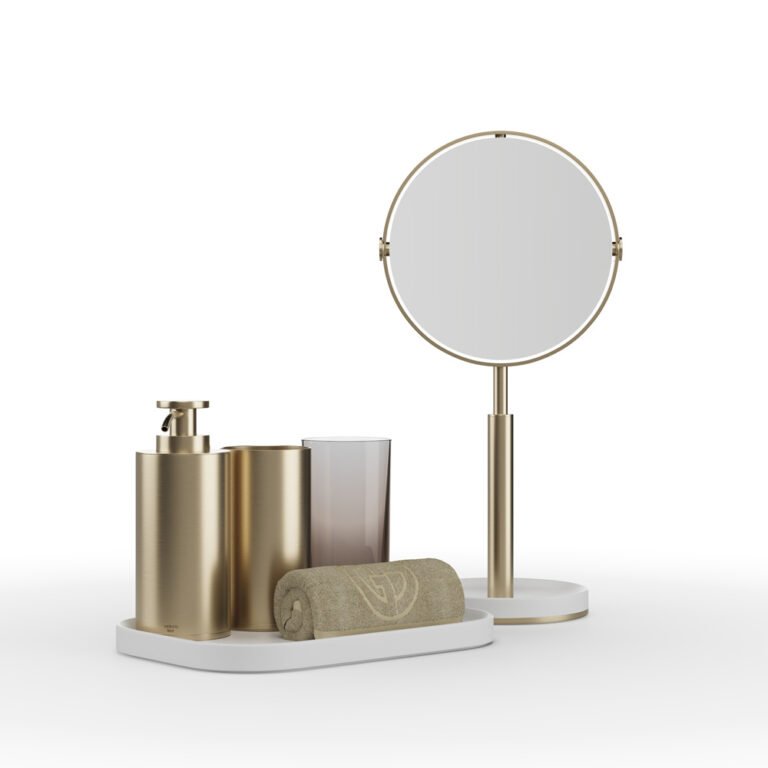
Advantages of 3D for industrial trade shows and presentations
The challenge of showcasing products in a trade show environment
Industrial trade shows and presentations require fast, clear communication in an environment saturated with stimuli. Visitors have limited time and must understand complex products within seconds.
In addition, bringing real machinery to an event is not always possible. Size, weight, logistics, costs, or the product’s development stage often make it unfeasible. In this context, 3D becomes a strategic communication tool.
Why real machinery is not always viable at trade shows
Displaying physical equipment in industrial events comes with clear limitations:
- Large or heavy machinery
- High transportation and assembly costs
- Safety risks
- Prototypes not yet finalized
- Products that do not represent the full range
These constraints limit the ability to explain the product thoroughly and effectively.

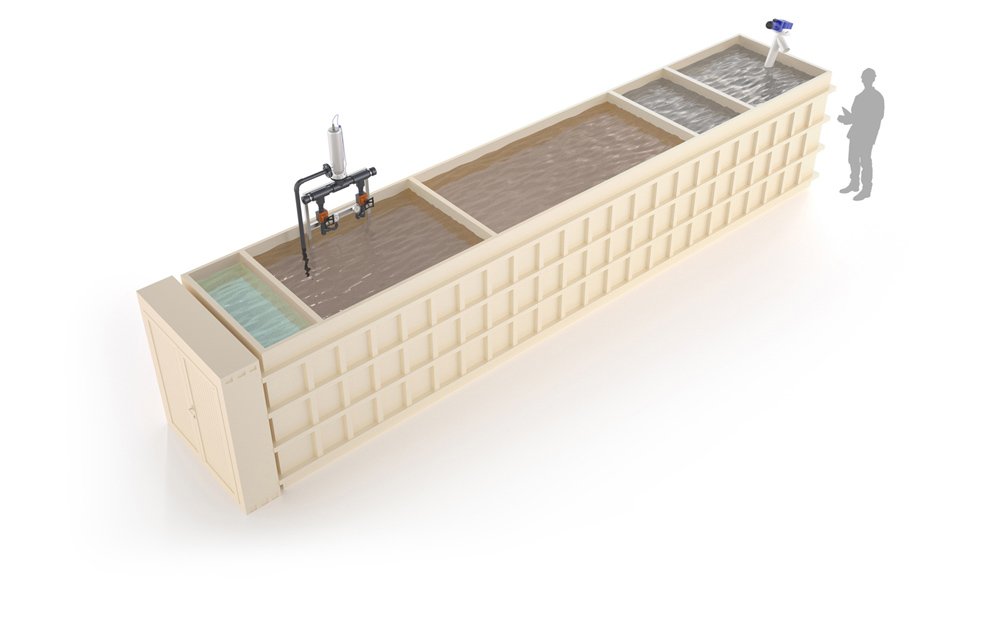

3D as a substitute (or complement) to physical products
At trade shows and presentations, 3D allows you to:
- Represent machinery at real scale
- Show variants and configurations
- Visualize internal components
- Explain operation and processes
- Adapt the message to different audiences
This way, communication no longer depends on the physical presence of the product.
A key advantage: showing what is normally invisible
This makes it possible to show:
- Animated exploded views
- Technical sections
- Workflow visualizations
- Mechanical movements
- Process sequences
This type of information is impossible to present using real machinery on a stand.
Flexibility for different audiences and messages
Industrial events bring together very different profiles: engineers, sales teams, decision-makers, and end clients.
3D allows the visual narrative to be adapted:
- More technical versions for specialist audiences
- More commercial visuals for decision-makers
- Short animations to capture attention
- More detailed content for meetings and explanations
A single visual base can be reused across multiple contexts.
Integrating 3D into the trade show space
3D content integrates easily into the most common trade show formats:
- Screens and video walls
- Tablets or interactive presentations
- Augmented or virtual reality experiences
- Printed graphic materials
- Sales presentations
This multiplies the return on investment of visual content.
Professional image and brand perception
Well-executed 3D visualization communicates:
- Innovation
- Technical capability
- Product control
- Professionalism
In industrial sectors, this perception strengthens client trust and helps differentiate from competitors.
A professional approach to trade show visualization
At Mimetry, 3D for trade shows and presentations is conceived as a clear and effective communication tool, tailored to the event context and audience type, always prioritizing clarity, realism, and commercial usefulness.
Frequently asked questions (FAQ)
Can 3D completely replace real machinery at a trade show?
In many cases, yes—especially when the goal is explanation rather than physical display.
Can the same 3D content be used for web and trade shows?
Yes. With proper planning, content can be reused across multiple channels.
Is it understandable for non-technical audiences?
Yes, as long as the level of detail is adapted to the viewer’s profile.
Does 3D provide enough realism in industrial contexts?
Yes, when produced with technical rigor and visual judgment.
Can the content be updated for future trade shows?
Yes. This is one of the major advantages over physical solutions.
Conclusion
3D offers clear advantages for industrial trade shows and presentations: flexibility, explanatory power, and control over the message. When used with professional criteria, it allows complex products to be communicated clearly and effectively—even when real machinery is not available.