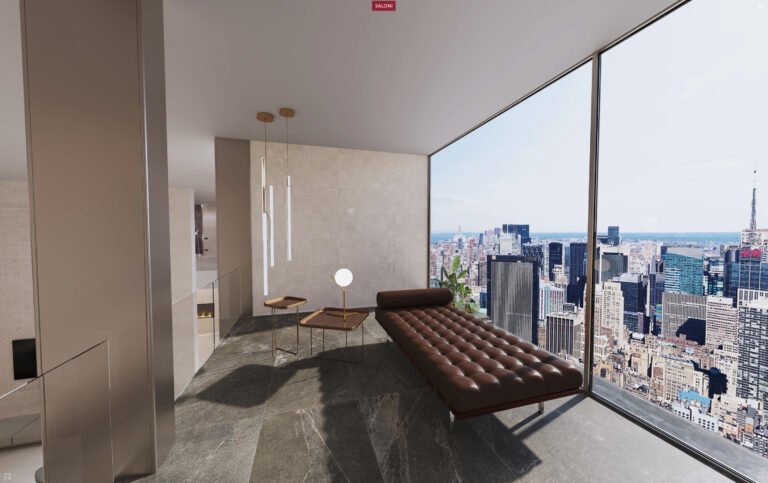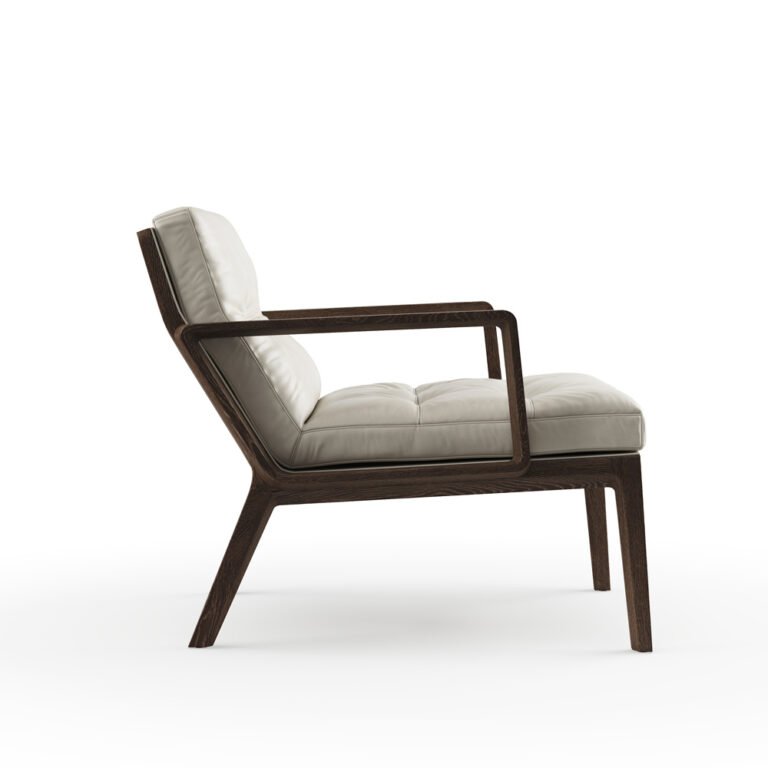
3D Renders for Outdoor and Hospitality Furniture: Durability, Context, and Realism
A Sector with Specific Visual Requirements
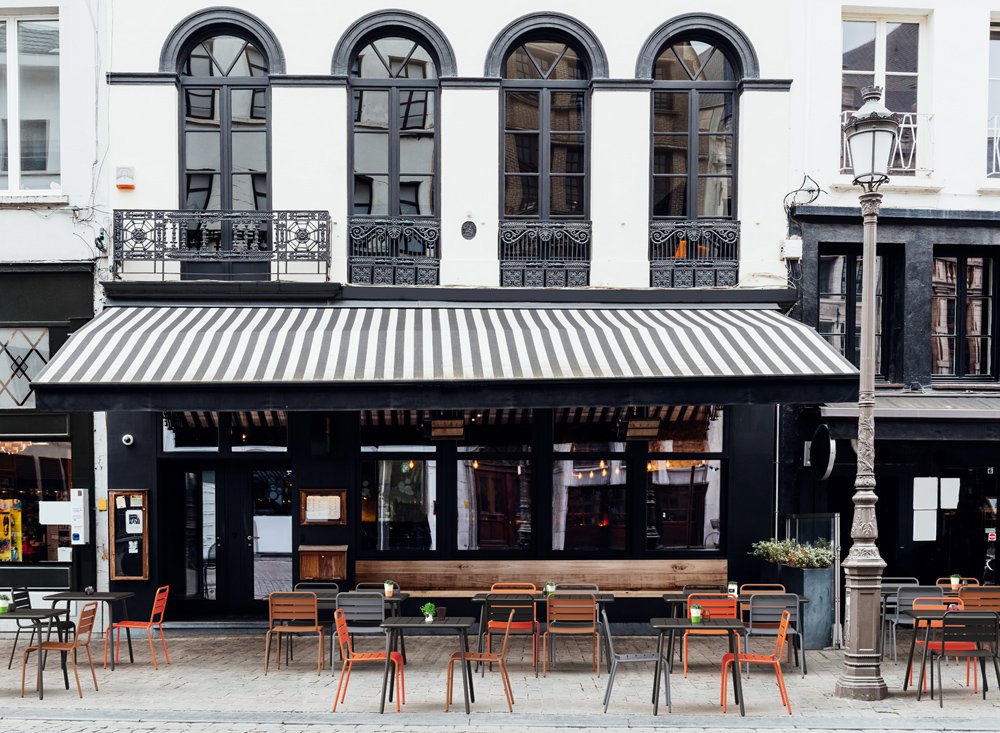
Outdoor and hospitality furniture must communicate more than design alone: durability, intensive use, and performance in real conditions. Gardens, terraces, hotels, restaurants, and contract spaces require images that place the product in its natural context.
Visually, this involves working with complex environments, natural light, and materials that must appear credible both in close-up and at a distance.
Common Product Types
In this sector, visualization projects commonly include:
- Garden furniture
- Terrace furniture
- Hospitality furniture
- Outdoor tables, chairs, and sofas
- Parasols and auxiliary elements
Each category presents different challenges in terms of scale, materials, and environment.
Fully 3D Outdoor Environments
A common solution is to create the entire outdoor environment in 3D.
This approach allows for:
- Full control over lighting and atmosphere
- Recreation of gardens, terraces, or urban spaces
- Visual consistency across catalogs
- Adaptation of scenes to different markets
It is especially useful when working with complete collections or multiple configurations.
Integrating Products into Real Photography
In many projects, outdoor environments are more effectively resolved using real photography.
In these cases, the typical workflow involves:
- Rendering the product in 3D
- Integrating it into a real outdoor photograph
- Adjusting light, shadows, and color
- Maintaining consistent scale and perspective
This solution combines immediate realism with full control over the product.
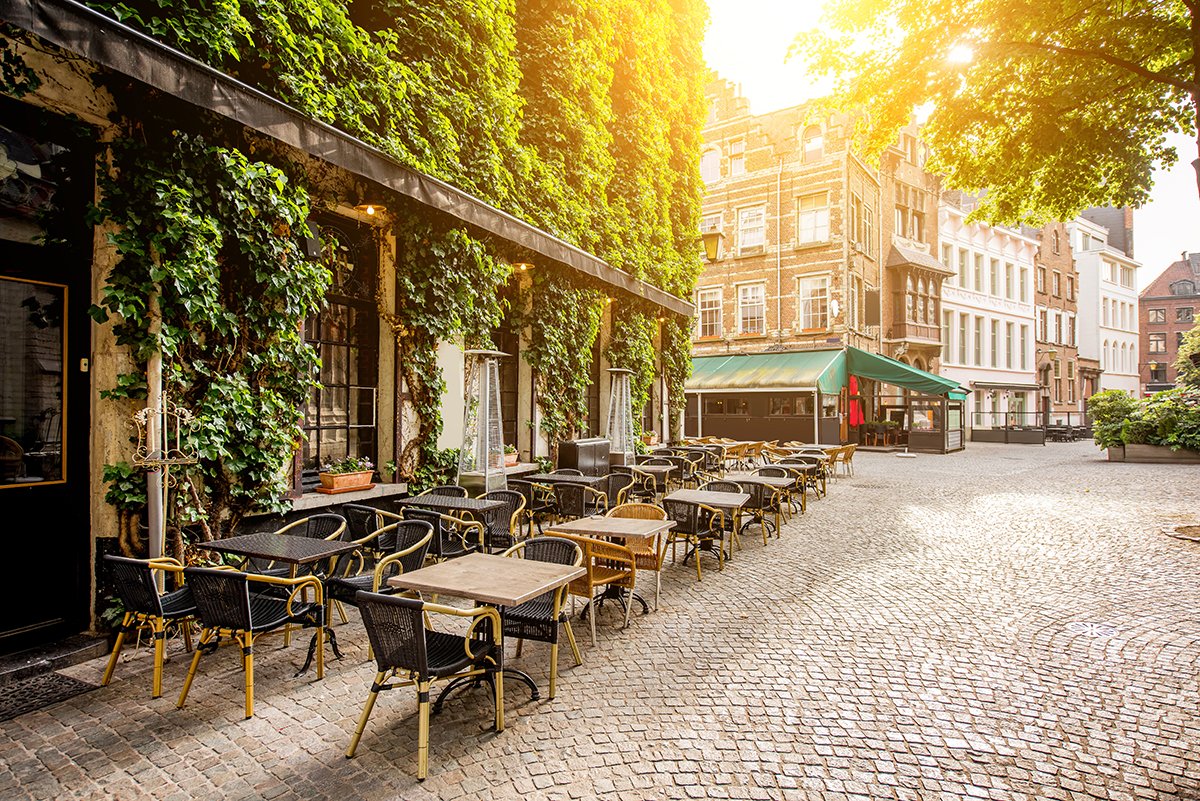

Using AI-Generated Images as Environmental Bases
AI-generated images can be used as a base to create a wide variety of outdoor contexts.
They offer:
- Complex scenarios without physical production
- Aesthetic flexibility
- Speed during conceptual phases
These images are always integrated into a professional workflow with post-production and visual control to avoid inconsistencies.
Materials, Wear, and Real-World Use
In outdoor furniture, materials are critical. Technical fabrics, treated woods, metals, and plastics must appear suitable for real-world conditions.
A professional render considers:
- Material behavior in outdoor environments
- Credible textures
- Subtle imperfections
- Natural light response
The goal is not to idealize the product, but to convey reliability.
The Technique Is Chosen According to the Project
There is no single visual solution for outdoor and hospitality furniture.
The choice between:
- Full 3D rendering
- Integration into photography
- AI-generated imagery
- Hybrid solutions
depends on the product, the final use of the image, and the required level of realism.
Visual Consistency in Outdoor Catalogs and Collections
Outdoor brands often work with large collections and numerous variants.
Rendering and hybrid workflows make it possible to:
- Maintain consistent camera angles and proportions
- Reuse environments
- Scale visual content efficiently
- Update catalogs without restarting production
This is particularly valuable in hospitality and contract projects.
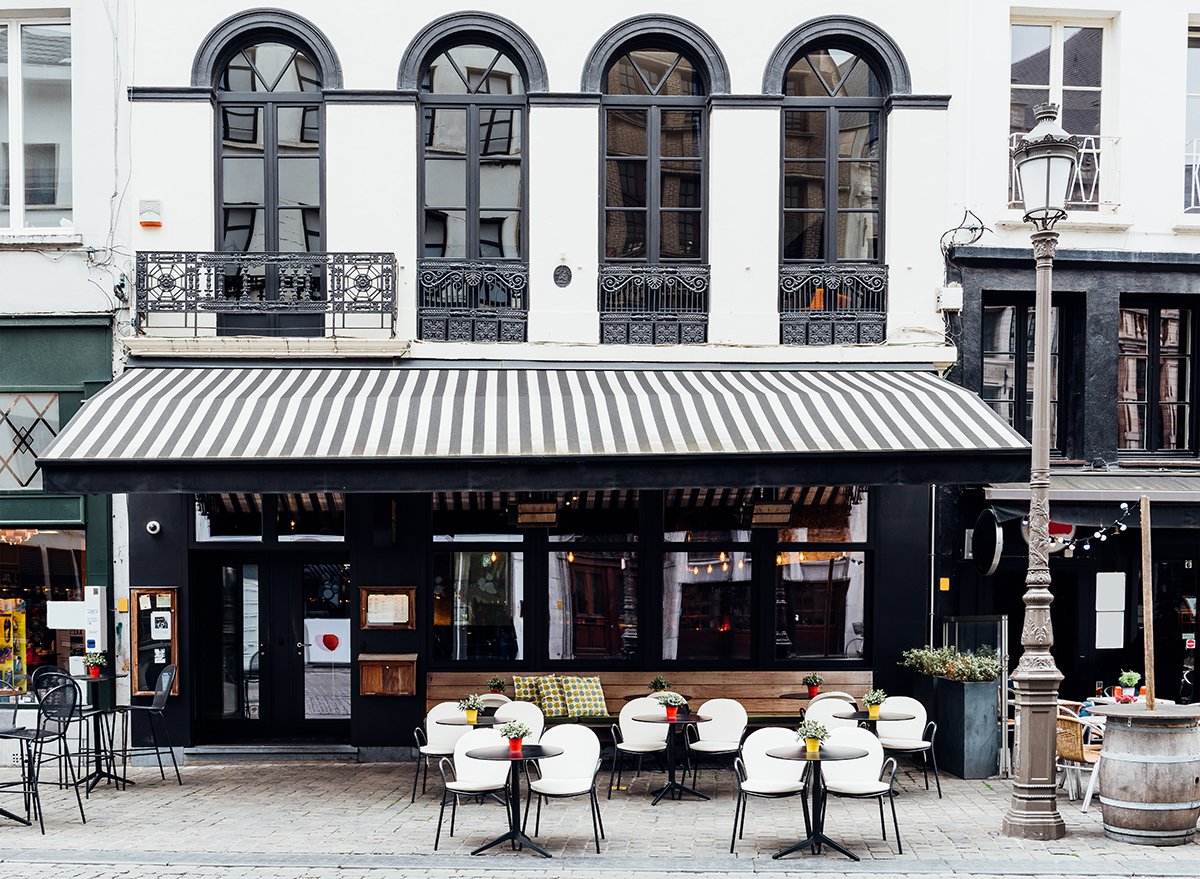
A Professional Approach to Outdoor Visualization
At Mimetry, outdoor and hospitality furniture visualization is approached by combining techniques according to each project. All imagery is developed with a photographic mindset, focused on showing the product in real use and ready for catalogs, websites, and commercial communication.
Frequently Asked Questions (FAQ)
Is a fully 3D outdoor environment better than real photography?
It depends on the project. 3D offers full control, while photography provides immediate realism.
Can multiple configurations of the same product be shown?
Yes. This is one of the main advantages of 3D rendering.
Is AI suitable for final outdoor imagery?
As a base or support tool, yes—always with professional control and post-production.
Do these images work for hospitality and contract projects?
Yes, especially when the product needs to be shown in real-use contexts.
Are they suitable for print and large formats?
Yes, when produced with sufficient resolution and proper technical standards.
Conclusion
3D renders and hybrid solutions make it possible to represent outdoor and hospitality furniture with realism, context, and visual coherence. Choosing the right technique for each project ensures effective, credible images aligned with real product usage.