
Packaging Images to Validate and Sell Before Manufacturing
Communicating Packaging Before It Exists
In packaging projects, imagery is often required before the packaging is physically produced. Internal validations, client presentations, design decisions, and commercial actions all require visualizing the final result when no physical prototype yet exists.
In this context, imagery is not a complement—it is a decision-making tool.
Common Packaging Types
In packaging visualization, it is common to work with:
- Bottles (wine, sparkling wine, spirits, beverages)
- Boxes and cases
- Premium and high-end packaging
- Food packaging
- Cosmetic and pharmaceutical packaging
Each category requires a specific approach to materials, reflections, labels, and finishes.

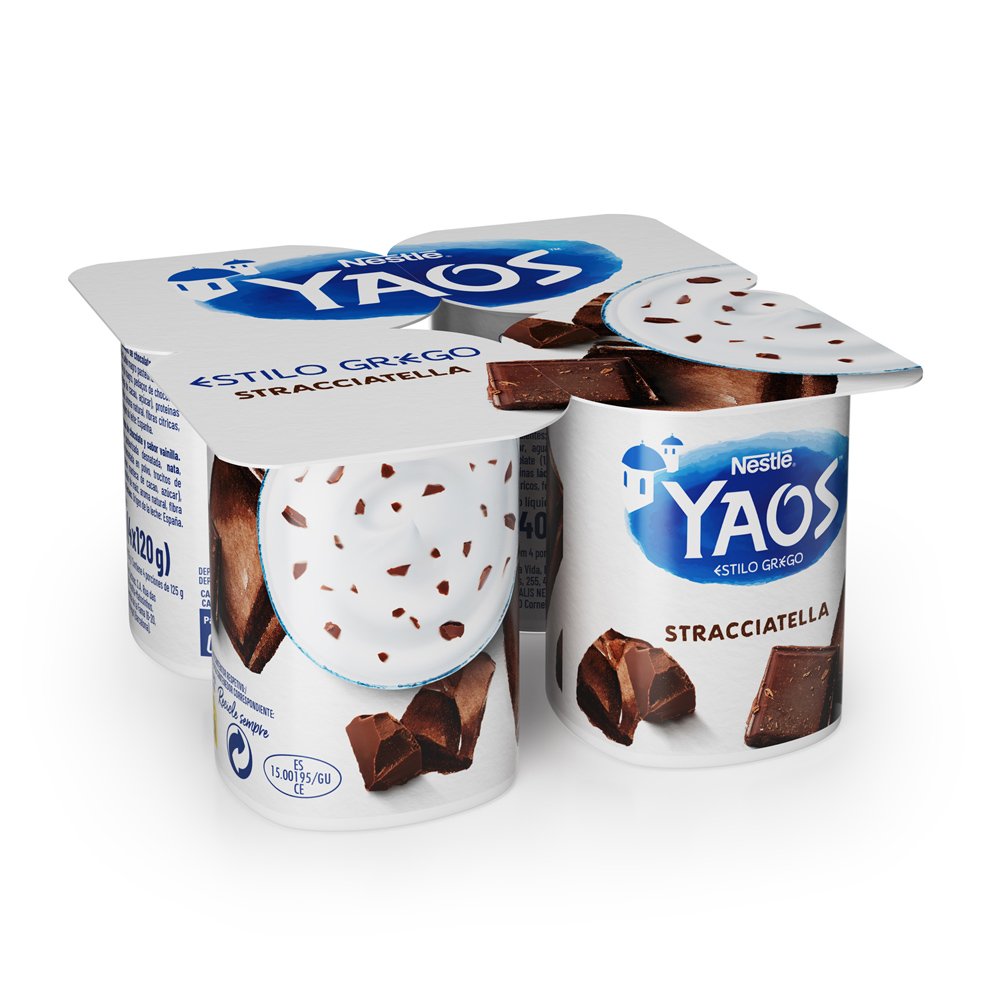
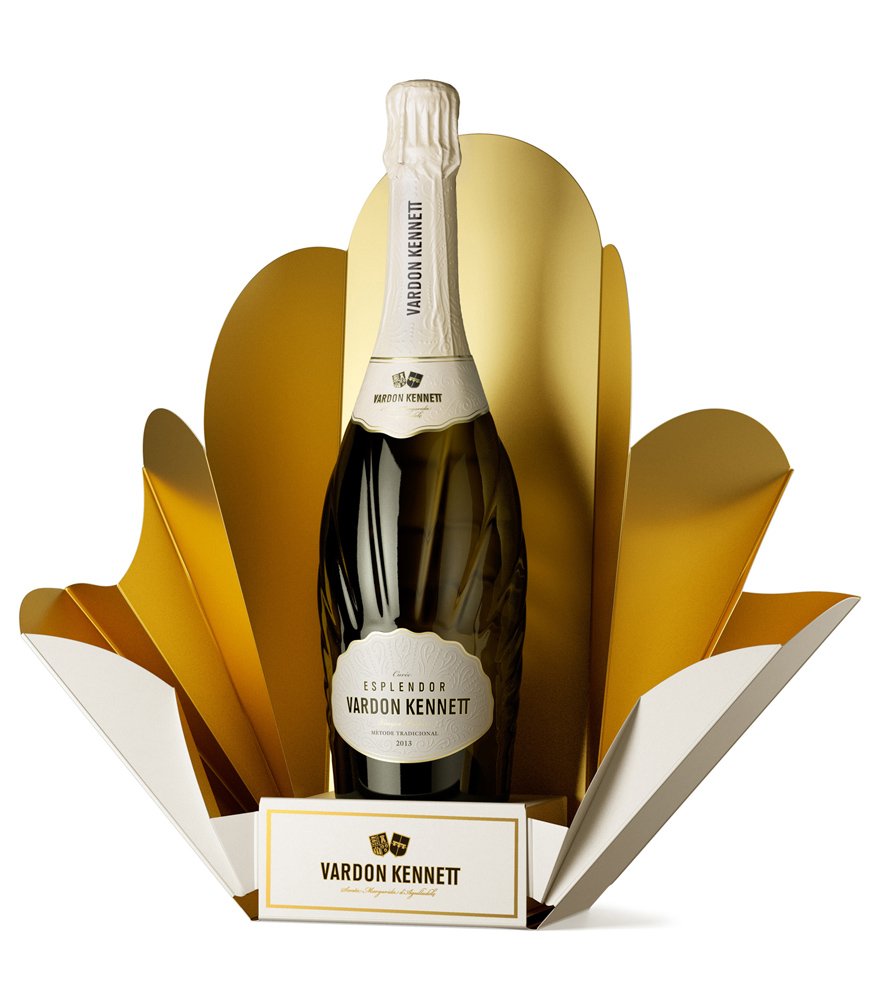
3D Rendering for Design Validation
3D rendering makes it possible to visualize packaging accurately before production.
It is especially useful to:
- Validate proportions and volumes
- Evaluate materials and finishes
- Test color combinations
- Review labels and graphics
- Compare design variants
This process reduces errors and avoids costs associated with late-stage changes.
Final Product Images Without Manufacturing
Beyond validation, 3D rendering allows the creation of final product images without physically producing the packaging.
These images are used for:
- Catalogs
- Websites and e-commerce
- Sales presentations
- Commercial materials
- Pre-launch communication
This accelerates time-to-market and allows all visual communication to be prepared in advance.
Packaging on White, Black, or Colored Backgrounds
A very common application is rendering packaging on neutral backgrounds.
This approach provides:
- Maximum product clarity
- Full control over lighting and reflections
- Visual consistency across product lines
- Direct usability for catalogs and e-commerce
It is especially effective for bottles and premium packaging.
Integration into Real Photography or AI-Generated Images
For more emotional campaigns or social media, packaging often needs context.
Depending on the project, it is possible to:
- Integrate rendered packaging into real photography
- Combine products with AI-generated imagery
- Create hybrid scenes with full visual control
These solutions allow the same product to be adapted to different communication channels.



Precision in Materials, Labels, and Finishes
In packaging, details are critical. Embossing, papers, varnishes, metallic effects, and transparencies must look credible.
A professional render pays close attention to:
- Textures and micro-detail
- Controlled reflections
- Label legibility
- Consistency with real printing and finishing processes
The goal is for the image to faithfully represent the final product.
The Technique Adapts to the Project Goal
Not all packaging projects require the same approach.
Depending on the objective, the solution may involve:
- Pure 3D rendering
- Product photography
- Integration into AI-generated imagery
- Hybrid solutions
Defining the final use of the image is essential to choosing the right technique.
A Professional Approach to Packaging Visualization
At Mimetry, packaging projects are approached as part of the design and communication process. Rendering and hybrid solutions are used to validate, sell, and communicate products both before and after manufacturing.
Frequently Asked Questions (FAQ)
Can a design be validated using only renders?
Yes. This is a common practice before producing physical prototypes.
Are these images suitable for e-commerce and catalogs?
Yes, when produced with sufficient resolution and technical control.
Does rendering replace final photography?
In many cases yes; in others, it complements it.
Can campaigns be created without manufacturing the packaging?
Yes. This is one of the key advantages of 3D rendering in packaging.
Is rendering reliable for premium finishes?
Yes, when materials and reflections are carefully controlled.
Conclusion
Packaging imagery makes it possible to validate, communicate, and sell products before manufacturing. When used with professional criteria, it accelerates decision-making, reduces errors, and allows all visual communication to be prepared in advance—without compromising realism or quality.