3D Virtual Tours for Material and Construction Manufacturers
The Challenge of Selling What Has Not Yet Been Built
In the construction and building materials industry, one of the most complex commercial challenges is presenting a product within a realistic context before that context physically exists.
Flooring, wall cladding, façades, lighting systems or technical construction solutions may offer excellent performance characteristics. However, their real value is understood only when they are seen integrated within a coherent architectural space.
Technical data sheets and physical samples remain essential tools. Yet they often fail to communicate spatial relationships, lighting behavior and material interaction at a holistic level.
A 3D virtual tour addresses this gap.
It does not merely display a digital space. It allows materials to be understood within architectural context.
From Isolated Product to Applied Environment
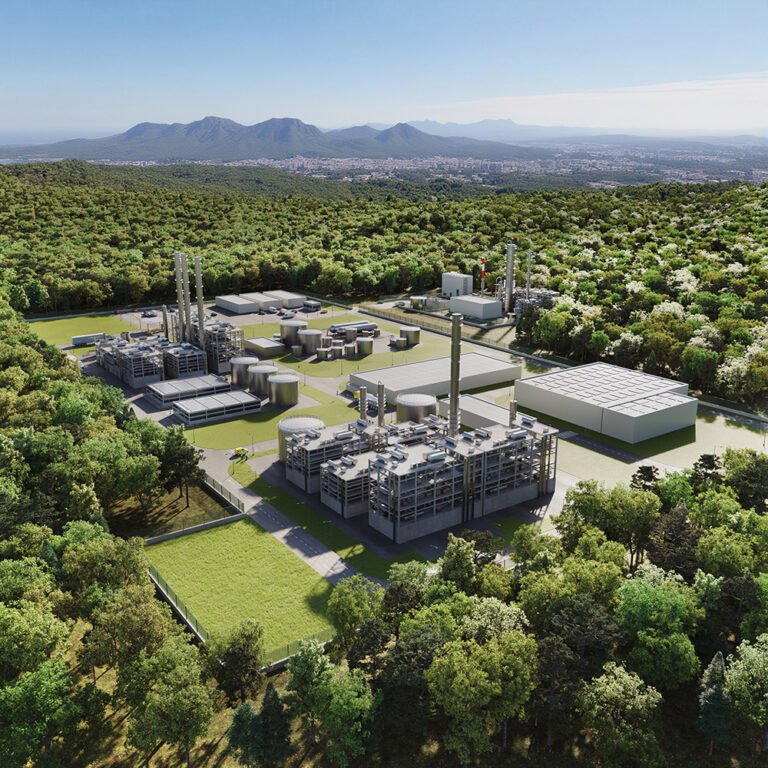
Traditionally, manufacturers rely on standalone renders or photography from completed projects. While effective to a degree, both approaches have limitations.
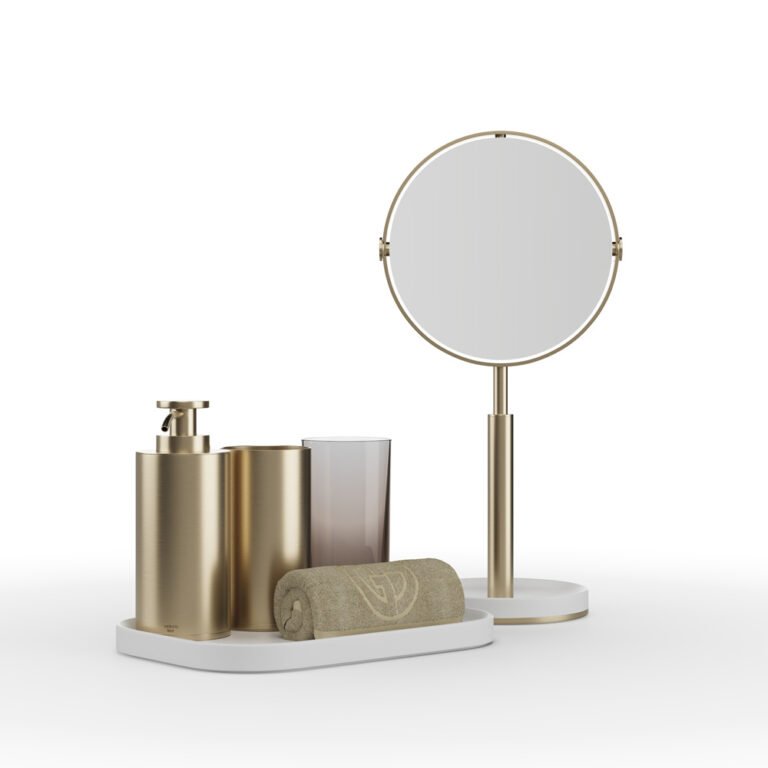
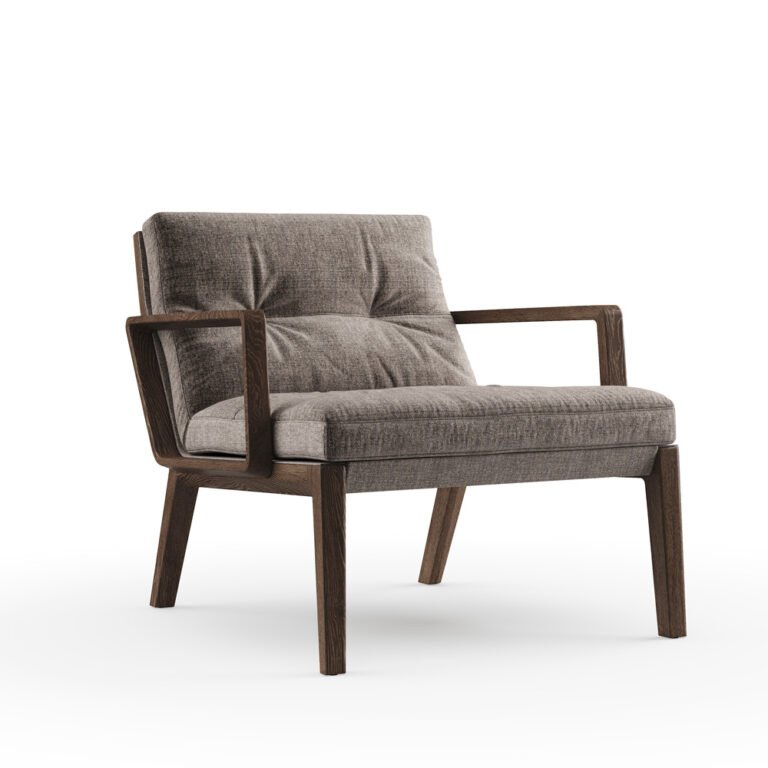
Photography depends on real, finished projects. Single renders show controlled scenarios but restrict spatial exploration.
A 3D virtual tour changes this dynamic. It enables the creation of a complete architectural environment where users can move freely, observe materials from multiple perspectives and understand how elements relate within the whole.
The product is no longer presented as a sample. It becomes part of a structured spatial system.
This shift significantly enhances perceived professionalism and brand positioning.
Presenting Construction Solutions, Not Just Finishes
In the building sector, value extends beyond surface appearance. Integration, continuity, proportion and compatibility with other materials all influence specification decisions.
A 3D virtual tour allows these aspects to be presented coherently.
The same material can be shown across interior spaces, exterior areas, transitional zones or high-traffic environments within one consistent digital environment. Instead of fragmented visuals, the manufacturer offers a unified architectural narrative.
Visitors can move from interior to exterior, observe transitions and evaluate the material as part of a broader construction solution.
This strengthens the commercial message and supports technical credibility.
A Strategic Digital Showroom
Manufacturers operating internationally face logistical limitations. Physical showrooms cannot exist everywhere.
A 3D virtual tour becomes a permanent digital showroom. It can be embedded in corporate websites, used in sales meetings, or presented during trade fairs and digital events.
Unlike static image galleries, an immersive tour creates spatial presence. The visitor does not simply observe the environment — they experience it.
This psychological immersion influences perceived product value.
At Mimetry, we approach these projects as strategic brand assets. A virtual showroom is not just a visualization tool; it is a digital extension of the manufacturer’s identity.
Supporting Pre-Specification and Pre-Sales Phases
In real estate developments or architectural projects under design, materials must often be specified before construction begins.
A 3D virtual tour allows stakeholders to evaluate materials within a realistic setting before installation.
Architects, developers and distributors can assess different options within consistent lighting and scale conditions.
This reduces uncertainty during decision-making and facilitates clearer communication between stakeholders.
The manufacturer offering such a tool provides more than product. They provide clarity and design support.
Visual Consistency and Perceived Quality
In the materials industry, visual precision is critical. Color accuracy, texture behavior and surface interaction must be represented consistently.
A professionally developed 3D virtual tour maintains coherence in lighting, proportions and environmental balance.
The quality of the surrounding space directly affects how the material is perceived.
A product displayed within a poorly designed environment loses impact. The same product presented within a refined, architecturally coherent setting gains credibility and value.
At Mimetry, we design virtual environments to enhance the material without distorting its essence.
Integration into B2B Sales Strategy
For manufacturers working with distributors, architects or large-scale projects, a 3D virtual tour can function as a structured sales support tool.
It can include layered information, technical references or links to digital documentation. It may also be integrated into private distributor platforms or used during targeted commercial presentations.
This strengthens professional relationships and differentiates the brand from competitors relying solely on static visuals.
A virtual tour does not replace physical samples, but it adds an immersive dimension to the sales process.
Adaptability and Long-Term Value
The building materials sector evolves continuously. New collections, formats and finishes are introduced regularly.
A strategically structured 3D virtual showroom can evolve alongside these changes.
When properly conceived, new materials can be integrated without reconstructing the entire environment.
This scalability transforms the virtual tour into a long-term digital investment rather than a one-time visual production.
Mimetry’s Perspective in the Construction Sector
Developing 3D virtual tours for construction manufacturers requires understanding both architectural language and technical constraints.
At Mimetry, we combine advanced 3D rendering expertise, lighting precision and structured interactivity to create coherent, strategically aligned environments.
Our objective is not simply to produce visually impressive scenes. It is to design digital spaces that communicate reliability, architectural sensibility and technical credibility.
In a sector where trust drives specification decisions, visual clarity becomes a decisive advantage.
FAQ – 3D Virtual Tours for Construction Manufacturers
Are 3D virtual tours useful if we already have printed catalogs?
Yes. Printed catalogs remain valuable, but a 3D virtual tour provides spatial context. It allows materials to be experienced within realistic architectural settings, enhancing comprehension and strengthening the commercial argument.
Can they support real estate pre-sales and specification phases?
Absolutely. Virtual tours are especially powerful when projects are still under development. They allow stakeholders to evaluate material integration before construction begins, reducing uncertainty and supporting specification decisions.
Do virtual tours replace physical samples?
No. Physical samples provide tactile feedback, while virtual tours offer contextual visualization. Together, they create a more comprehensive presentation strategy.
Can the tour be updated with new collections?
Yes. When properly structured, additional materials or product lines can be incorporated without rebuilding the entire environment.
What differentiates Mimetry’s approach?
We focus on architectural coherence and strategic alignment. Our virtual tours are not generic visualizations but structured commercial tools designed to enhance brand positioning and professional credibility.