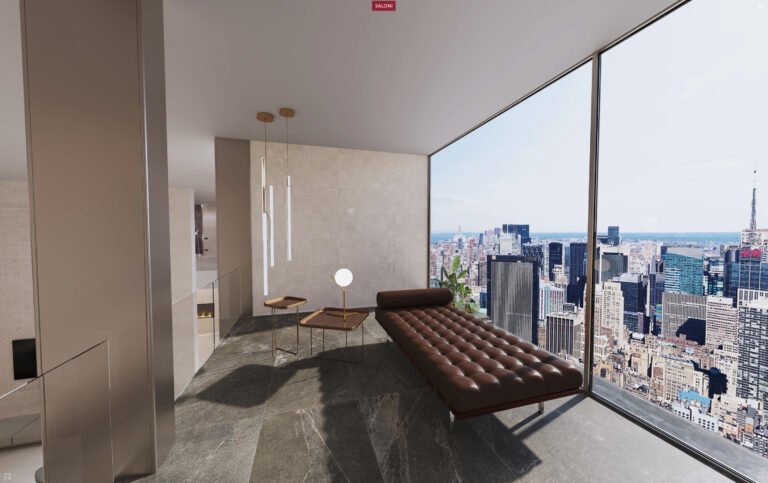
3D Images for the Bathroom Industry: Realism, Control, and Visual Flexibility
The Importance of Imagery in the Bathroom Industry
The bathroom sector combines design, functionality, and perceived quality. Bathroom furniture, washbasins, shower trays, enclosures, taps, or mirrors must not only look good—they must clearly communicate materials, finishes, and aesthetic coherence.
In this context, imagery is not a secondary asset, but an essential part of the product itself and its commercial presentation.
Typical Product Categories in Bathroom Visualization
Within the bathroom industry, visualization projects commonly involve products such as:
- Bathroom furniture
- Washbasins
- Shower trays
- Shower enclosures and systems
- Taps and fittings
- Mirrors and accessories
Each category presents different challenges in terms of materials, reflections, scale, and environment.
White Background 3D Renders for Catalogs and E-commerce
One of the most common applications is product rendering on a white or neutral background.
This approach is especially suitable for:
- Printed catalogs
- E-commerce platforms
- Technical datasheets
- Product comparisons
3D rendering makes it possible to maintain:
- Consistent scale across products
- Uniform lighting
- Full control over finishes
- Visual consistency across entire product ranges
This level of consistency is difficult to achieve with traditional photography when dealing with multiple variants.
Bathroom 3D Environments: Context and Usage Perception
Beyond neutral backgrounds, many bathroom products need to be shown in context.
Bathroom 3D environments allow brands to:
- Show products integrated into realistic spaces
- Convey style, positioning, and product range
- Adapt environments to different markets
- Create clean, fully controlled scenes
These environments can be fully 3D or combined with other visual techniques.
Integrating Products into Real Photography or AI-Generated Images
In certain projects, a fully 3D environment is not always the most effective solution.
Depending on the case, it is possible to:
- Integrate a 3D-rendered product into real photography
- Combine products with AI-generated backgrounds
- Use real photography as a base and adapt the environment
These hybrid solutions make it possible to balance realism and control, selecting the most suitable technique for each specific project.
The Technique Adapts to the Product — Not the Other Way Around
In the bathroom sector, there is no single solution that fits every project.
The choice between:
- Pure 3D rendering
- Photography
- AI-generated imagery
- Hybrid workflows
depends on factors such as:
- Product type
- Design stage
- Intended use of the image
- Number of variants
- Required level of realism
Forcing an unsuitable technique often leads to visual inconsistency or unnecessary costs.
Visual Consistency Across Collections and Product Ranges
One of the main challenges in the bathroom industry is maintaining visual coherence across different products that must coexist within the same catalog or collection.
Rendering and hybrid workflows allow brands to:
- Match proportions and camera angles
- Maintain consistent lighting
- Unify visual style
- Easily expand collections over time
This is especially valuable for manufacturers with extensive product ranges.
A Professional Approach to Bathroom Visualization
At Mimetry, bathroom industry projects are approached individually, analyzing each product and selecting the most effective technique for the specific case. All visuals are developed with a photographic mindset and oriented toward real-world use in catalogs, websites, and advertising.
Frequently Asked Questions (FAQ)
Is 3D rendering or photography better for bathroom products?
It depends on the product and its final use. In many cases, 3D offers greater control and consistency.
Can different products be combined in the same environment?
Yes. This is a common practice when presenting complete collections.
Does 3D rendering work well with materials like ceramic or chrome?
Yes, as long as materials and reflections are handled with precision.
Is it possible to integrate a product into a real photograph?
Yes. This can be a very effective solution for specific projects.
Are these images suitable for print and large formats?
Yes, when produced with the appropriate technical standards.
Conclusion
3D imagery for the bathroom industry makes it possible to communicate products with realism, consistency, and flexibility. Choosing the right technique for each project—3D rendering, photography, AI, or hybrid solutions—is key to creating effective visuals aligned with both the product and its commercial positioning.