Technical visualization vs commercial imagery in industry: key differences
Two types of imagery with different objectives
In industrial environments, not all images serve the same purpose. Two approaches are often confused even though they respond to different goals: technical visualization and commercial imagery.
Choosing the right type of image is essential to communicate effectively with each audience.
What technical visualization is
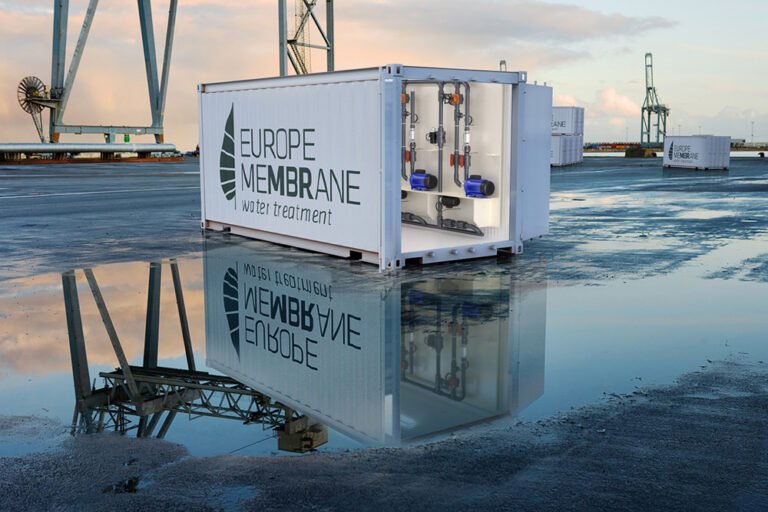
The goal of technical visualization is to explain what a product is and how it works. It prioritizes clarity, precision, and fidelity to technical reality.
It is commonly used for:
- Engineering and product development
- Technical documentation
- Internal training
- Technical support
- Presentations for specialist audiences
In this context, aesthetics serve understanding.


Characteristics of technical visualization
Precision and rigor
- Real-world proportions
- Clearly identifiable components
- Operation faithful to the design
Structural clarity
- Exploded views
- Sections
- Technical cutaways
Neutral visual language
- Functional lighting
- Descriptive colors
- Absence of unnecessary effects
The objective is to understand, not to persuade.
What industrial commercial imagery is
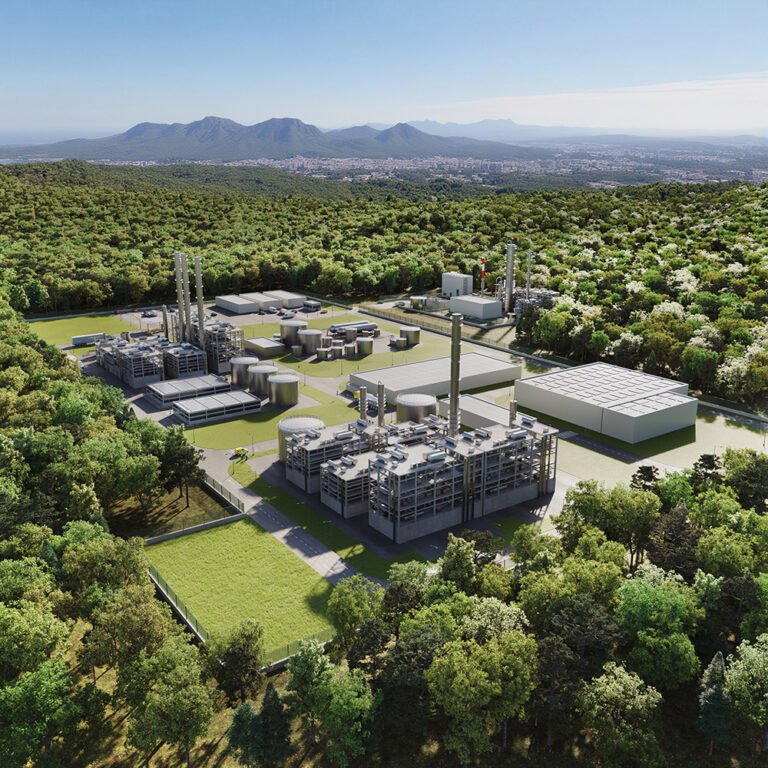
Commercial imagery aims to highlight the product’s value and make it appealing to clients, distributors, or non-technical audiences.
It is commonly used in:
- Corporate websites
- Catalogues
- Trade shows
- Sales materials
- Commercial presentations
Here, the image must explain—but also convince.
Characteristics of commercial imagery
Product-focused approach
- Flattering viewpoints
- Clear visual hierarchy
Controlled realism
- Credible materials
- Carefully crafted lighting
- Contextual environments
Brand-aligned visual language
- Aesthetic consistency
- Visual identity
- Clear messaging
The goal is to build trust and perceived value.
Why mixing approaches without clear criteria is a mistake
A common error is trying to make a single image serve every purpose.
This often leads to:
- Images that are too technical to sell
- Images that are too aesthetic to explain
- Confusion for the viewer
- Reduced communication effectiveness
Each type of image must respond to its specific function.



How to decide which type of image you need
The choice depends on several factors:
- Target audience
- Stage of the process
- Communication channel
- Technical level of the viewer
In many projects, both approaches coexist—but in different assets.
Well-planned hybrid solutions
- Commercial imagery with selective exploded views
- Technical visualization with refined visual finishing
- Explanatory animation with brand-driven aesthetics
The key is deciding what must be understood and what should be emphasized.
A professional approach to industrial imagery
At Mimetry, each project starts by defining whether the image must explain, sell, or do both—choosing the appropriate visual approach for each objective and audience.
Frequently asked questions (FAQ)
Can technical visualization be used for sales?
Generally, it is not the most effective option, except for highly technical audiences.
Can commercial imagery simplify the product?
Yes, as long as it does not misrepresent functionality or key features.
Are two types of images needed for the same product?
In many cases, yes. They serve different purposes.
Can 3D rendering be used for both approaches?
Yes. Rendering allows the level of detail and visual style to be adapted to the objective.
Can a project evolve from technical visualization to commercial imagery?
Yes. This is a common workflow as a product approaches the market.
Conclusion
Technical visualization and commercial imagery serve different roles in industrial communication. Understanding their differences helps avoid confusion, improve clarity, and choose the right type of image for each moment and audience.