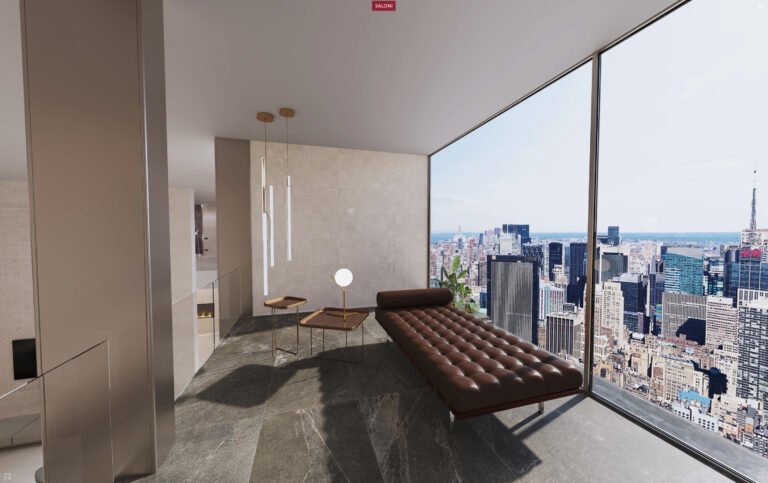
3D Virtual Tour vs Architectural Video: Which Format Communicates Better?
Two Formats, Two Ways to Experience Architecture
In architectural presentation and real estate marketing, visualization is not just aesthetic support — it is a strategic communication tool. The way a project is presented directly influences how its quality, coherence and value are perceived.
For many years, the architectural video has been the dominant format for showcasing unbuilt developments. Carefully directed camera paths, cinematic lighting and music create emotional narratives that help position a project within a specific market segment.
However, as user behavior has evolved and digital interaction has become central to decision-making, another format has gained increasing relevance: the interactive 3D virtual tour.
Both formats can achieve high production quality. The key difference lies not only in visual style, but in how the audience engages with the experience.
The question is not which format is universally better. It is which one communicates more effectively depending on the project’s objective.


Architectural Video: Narrative Control and Emotional Impact
An architectural video offers complete narrative control. Every camera movement, lighting transition and framing decision is carefully designed to guide the viewer’s attention.
This level of control allows for strong emotional storytelling. The atmosphere can be shaped intentionally, emphasizing specific spaces, views or design features. For brand presentations, public launches or promotional campaigns, this format is particularly effective.
The viewer experiences a structured journey from beginning to end. The message is consistent and controlled.
Yet this same strength introduces a limitation. The viewer cannot choose where to look or how long to focus on a particular space. The experience remains linear and passive.
3D Virtual Tours: Exploration and Autonomy
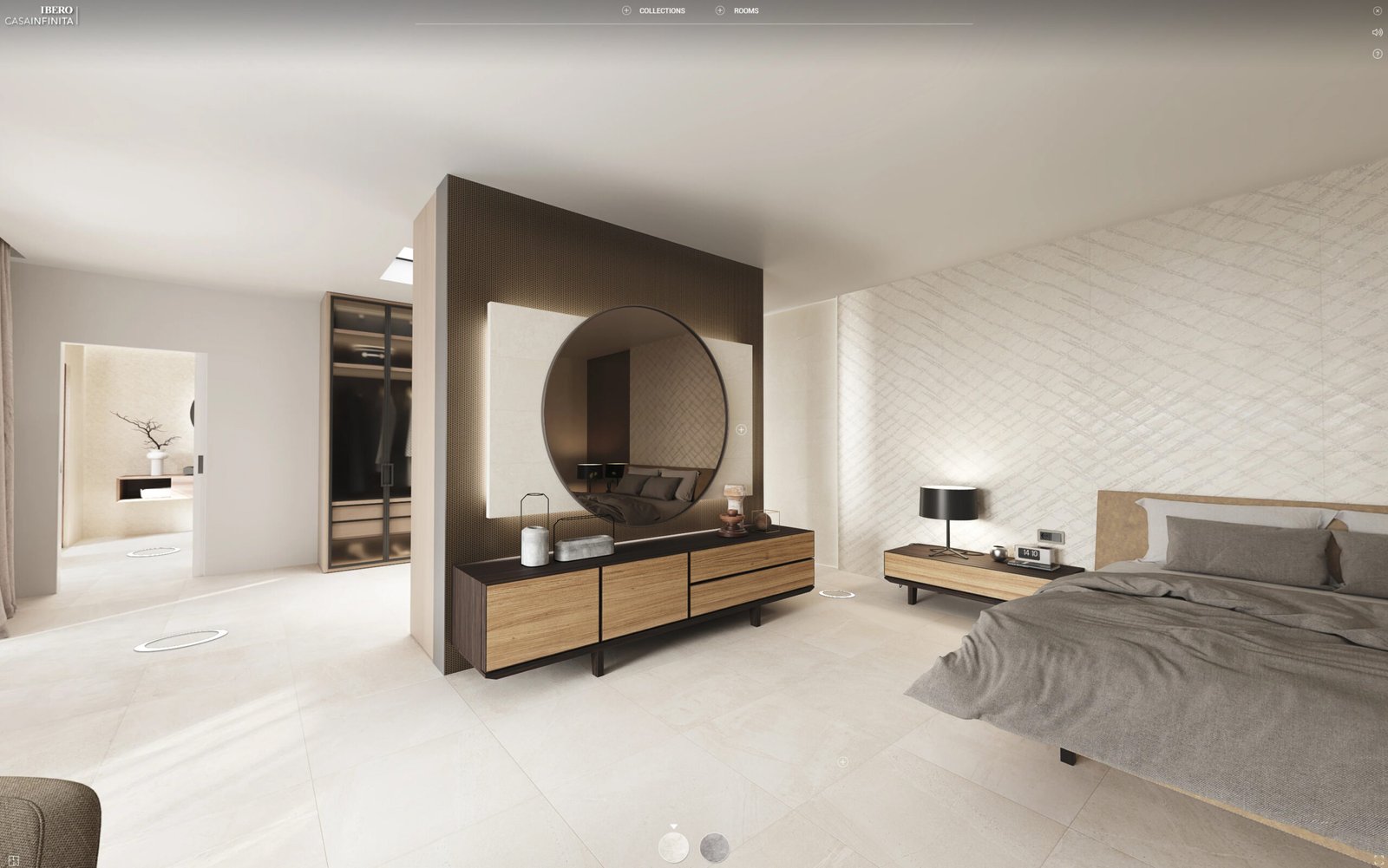
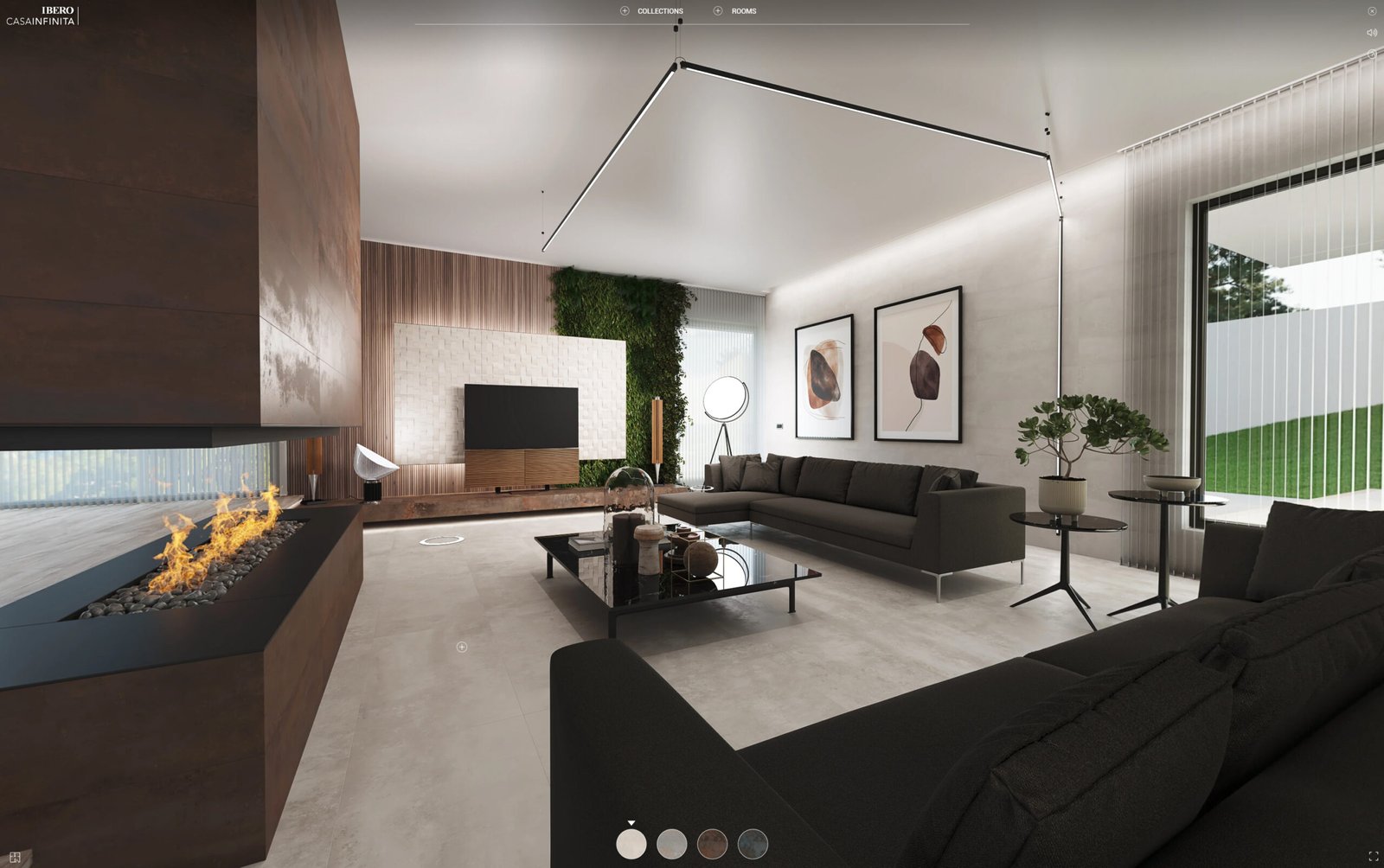
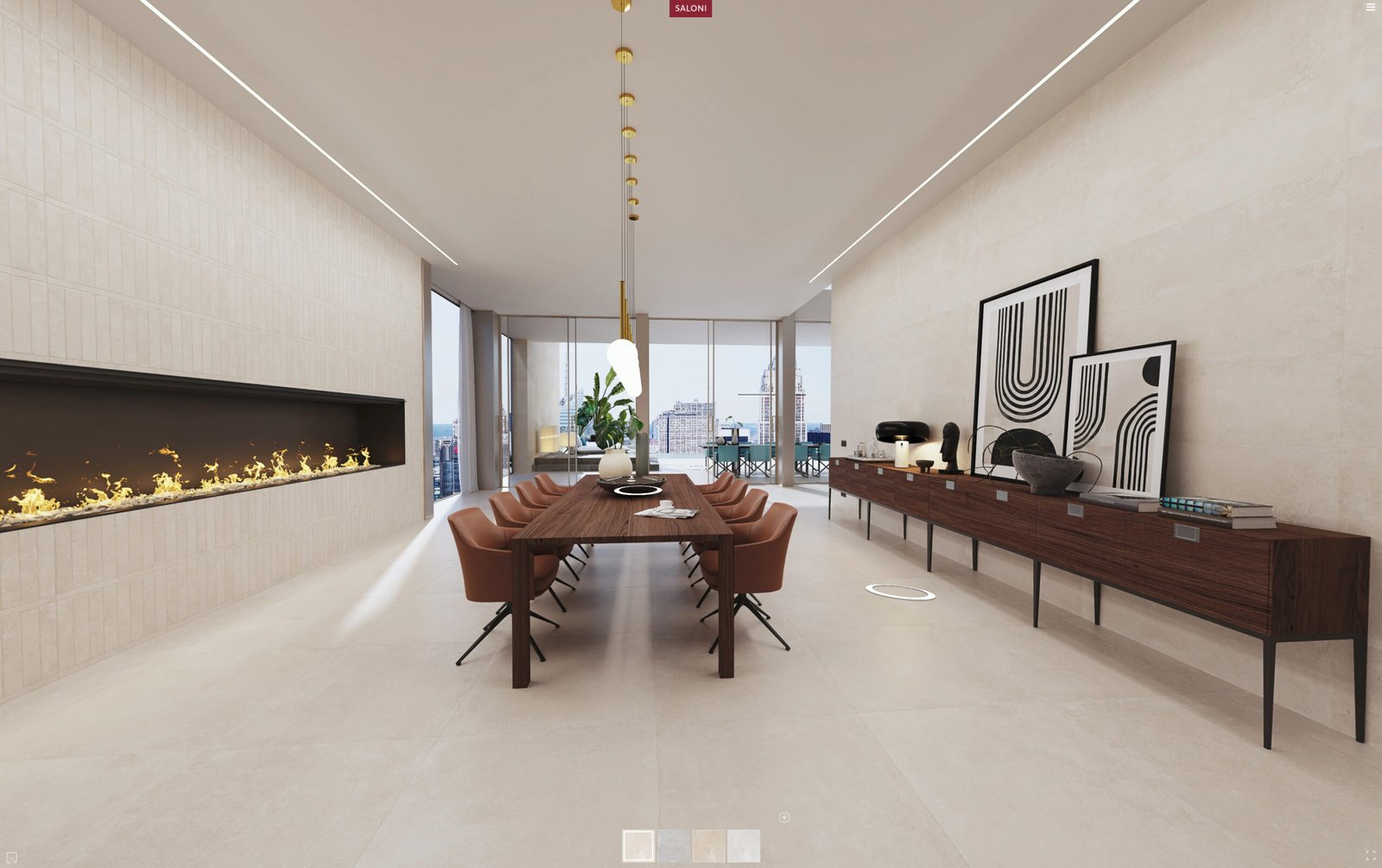
A 3D virtual tour offers a fundamentally different approach. Instead of directing the user through a predefined path, it provides freedom of movement. Visitors can navigate between points, examine spaces from multiple perspectives and explore at their own pace.
This autonomy transforms the relationship between user and architecture. The project is no longer simply observed — it is explored.
For developments where layout clarity, spatial flow and room proportions are essential decision factors, this interactive exploration adds substantial value.
A virtual tour does not narrate the project. It allows the user to interpret it directly.
Differences in Spatial Perception
Architectural videos can suggest scale and proportion through cinematic techniques, but always within a controlled frame. Perception is guided.
In contrast, a 3D virtual tour allows users to verify spatial relationships independently. They can pause, revisit areas and compare viewpoints freely.
This interactive validation strengthens credibility. When users control the experience, they tend to trust it more.
In real estate marketing — especially during pre-sales phases — this distinction can significantly influence buyer confidence.

Commercial Impact and Sales Strategy
From a commercial perspective, architectural video often functions as an initial attraction tool. It captures attention quickly and communicates overall positioning.
A 3D virtual tour, on the other hand, typically supports deeper evaluation. It allows potential clients to analyze the project thoroughly and resolve doubts before making contact.
In many cases, both formats can complement each other. A video may generate interest and emotional engagement, while the virtual tour consolidates that interest through exploration and clarity.
At Mimetry, we approach each project strategically. The objective is not to promote one format over another, but to determine which communication tool aligns best with the target audience and marketing goals.
Engagement and Digital Behavior
User behavior online plays an increasingly important role in marketing performance. Videos are often short and consumed passively. A 3D virtual tour, by contrast, encourages active participation.
Interactive exploration frequently increases time spent on page and overall engagement. Visitors who spend several minutes navigating a digital environment demonstrate deeper interest than those who watch a brief clip.
This behavioral difference can influence lead quality, conversion rates and overall digital strategy.
Technical Coherence and Realism
Both architectural videos and 3D virtual tours require technical precision to maintain credibility. Lighting consistency, accurate scale and material realism are essential in both formats.
The difference lies in execution scope. In a video, the production team controls every camera angle and visual condition. In a virtual tour, coherence must be maintained from every accessible viewpoint.
This demands a comprehensive understanding of spatial logic and visual balance.
At Mimetry, we apply the same level of technical rigor to both formats. The goal is not only visual impact, but strategic clarity and credibility.
Which Communicates Better?
The answer depends on context.
If the objective is to present a concept, reinforce branding or create emotional impact at a launch event, architectural video may be the most suitable choice.
If the goal is to improve spatial understanding, support pre-sales transparency or allow detailed exploration, a 3D virtual tour often communicates more effectively.
For larger developments, a strategic combination of both formats can maximize results.
The key is alignment with communication goals rather than following trends.

Mimetry’s Perspective
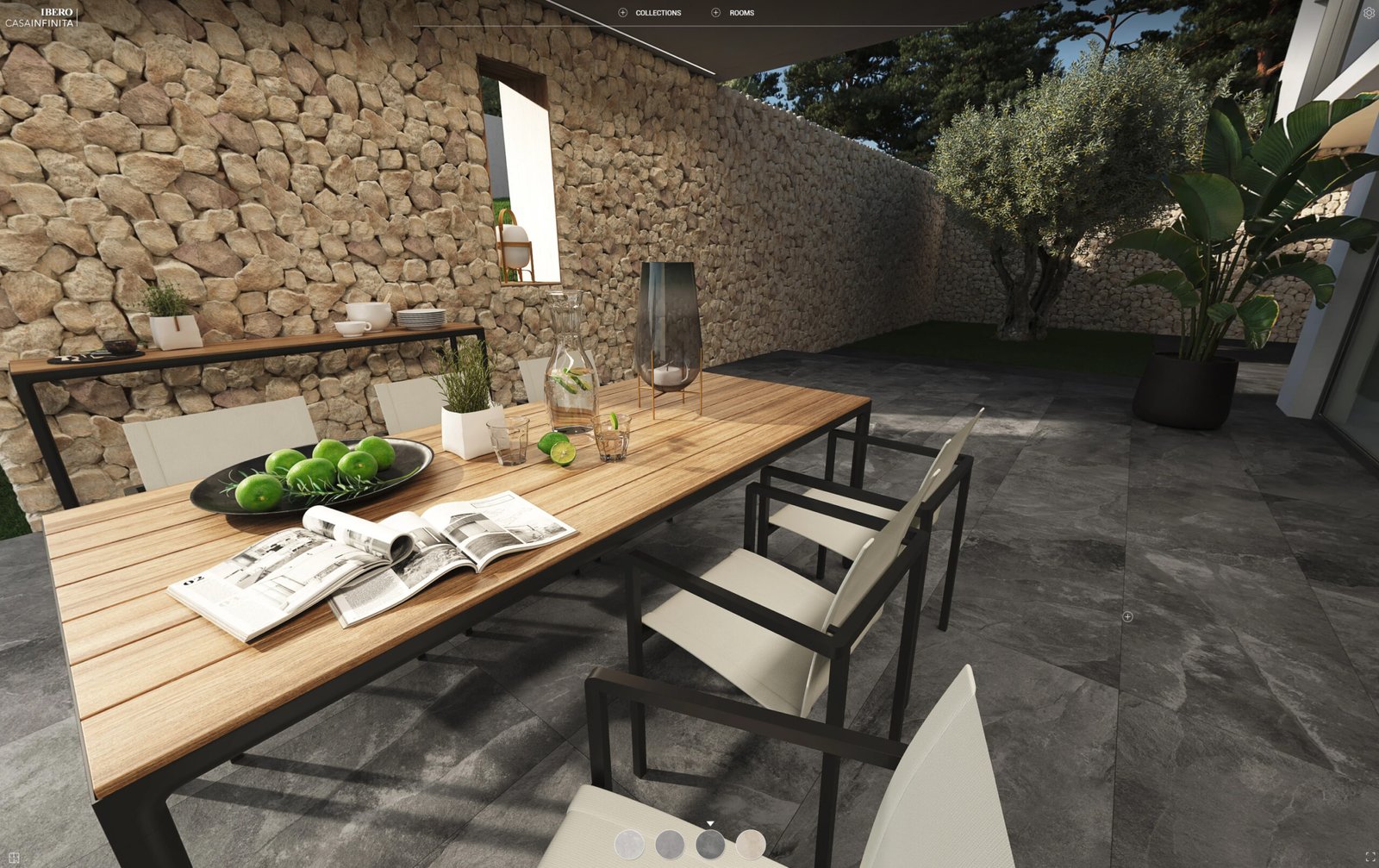
Our expertise in 3D rendering, animation and interactive virtual environments allows us to evaluate projects objectively and recommend the most appropriate solution.
We do not treat visualization as a technical add-on. We treat it as a communication strategy.
Whether through cinematic architectural video or immersive 3D virtual tours, the objective remains the same: to convey architectural value clearly, coherently and convincingly.
FAQ – 3D Virtual Tour vs Architectural Video
Does a 3D virtual tour replace an architectural video?
Not necessarily. Each format serves a different purpose. Architectural video excels at emotional storytelling and brand positioning, while a 3D virtual tour provides deeper spatial exploration. In many real estate projects, the two formats can complement each other strategically rather than compete.
Which format builds more trust during pre-sales?
A 3D virtual tour often generates greater transparency because users can navigate independently and verify layout relationships themselves. This sense of autonomy strengthens credibility and can be especially valuable when marketing properties that are not yet constructed.
Is architectural video less interactive?
Yes. By nature, video is linear and controlled. The viewer follows a predetermined path. A virtual tour introduces direct interaction, which typically increases engagement and user involvement in the presentation process.
Which format improves digital engagement metrics?
Interactive 3D virtual tours often increase time on page and user interaction levels. However, overall digital performance depends on strategic integration. Both formats can support SEO and marketing objectives when implemented thoughtfully.
Which is more suitable for premium real estate projects?
Premium developments often benefit from combining both formats. Architectural video can create emotional impact and reinforce brand positioning, while a virtual tour provides analytical clarity and reinforces confidence during the decision process.