Industries Where Combining 3D, AI and Photography Is Already Standard
A few years ago, a furniture manufacturer would commission product photography and, if it wanted something more ambitious, contract 3D rendering as a separate project. Today that separation barely exists. The most mature industries in visual production combine 3D rendering, AI and photography within the same project, following a single criterion: use whichever technique solves each piece at the lowest cost and with the greatest visual coherence possible. This article reviews which industries have already made this combination the norm, not the exception.
Why combining techniques became the standard
Three factors drove this shift. First, product catalogs grow faster than photography budgets: shooting a hundred color variants in a studio is unfeasible, but rendering them from a single 3D model is not. Second, generative AI allows the creation of settings and scene variations without repeating full photo shoots. Third, end customers no longer distinguish—or care—whether an image is real photography or a render: they demand consistency and quality, not a specific method.
Furniture and interior fittings
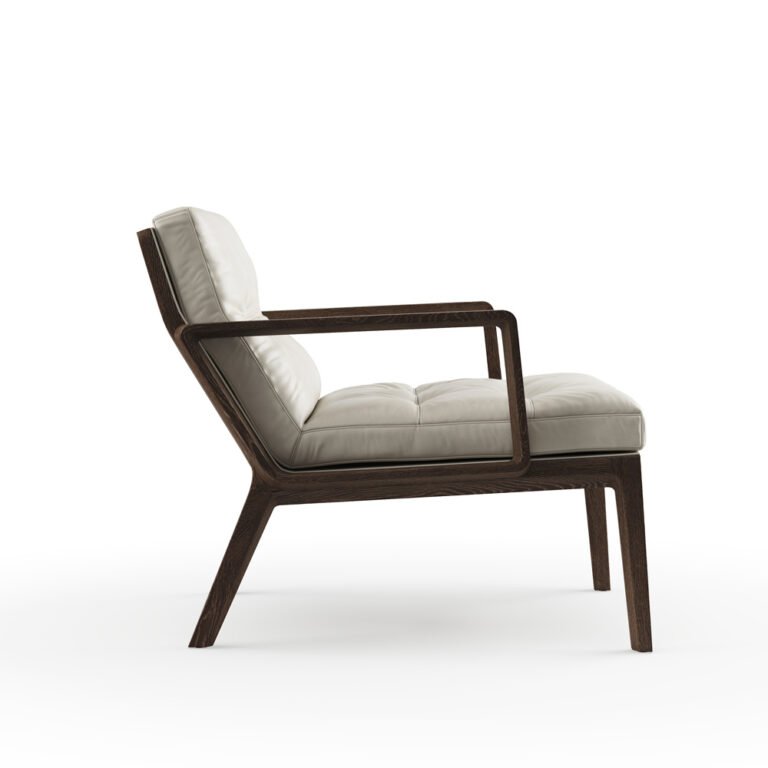
This is probably the sector where the mix is most established. A furniture manufacturer usually has the 3D model of each piece since the industrial design phase. That same file is used for catalog renders, scene compositions and upholstery or finish variations without repeating a photo shoot. Real photography is reserved for texture, stitching or material details where visual touch still makes a difference compared to pure render.
- 3D rendering for the full catalog of color and finish variants
- Real photography for texture details and premium materials
- Generative AI for lifestyle settings without a physical shoot
Industrial products and machinery
Photographing heavy machinery, technical components or equipment that does not yet exist physically is, in many cases, impossible or extremely costly. Here, 3D rendering is not an aesthetic alternative: it is the only viable production route when the product is in the design phase or when the interior of a mechanism needs to be shown. Photography comes in once the final product is manufactured and real documentation is needed for technical sheets or visual certification.
Fashion and accessories
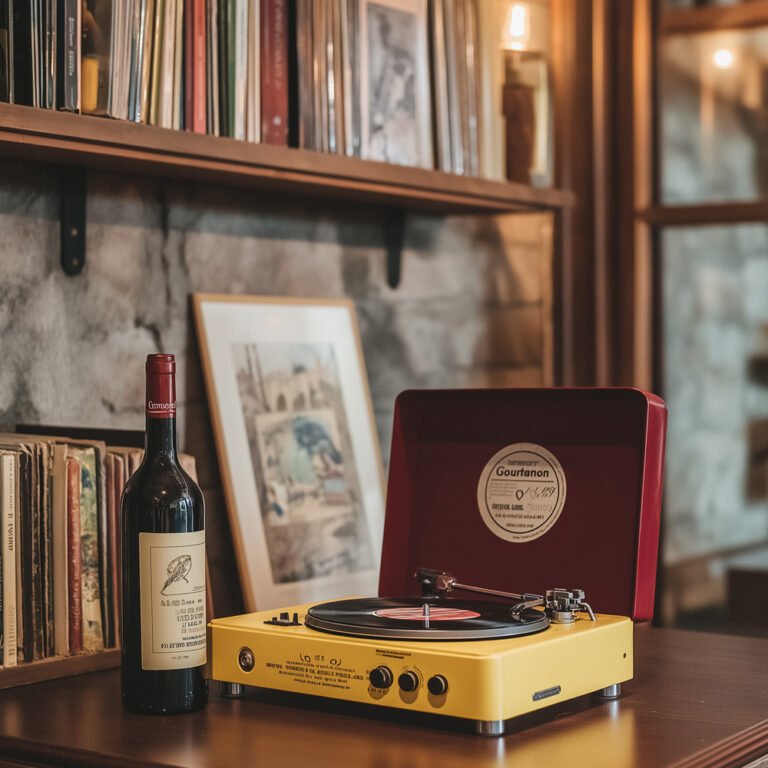
The fashion sector combines all three techniques with a different logic than furniture. Photography remains central because fabric movement, drape and human gesture are hard to replace with rendering. But generative AI is increasingly used to multiply campaign scenarios—changing background, light or location from the same shoot—without repeating a full photo production. 3D rendering, in turn, is gaining ground for rigid accessories: bags, footwear, jewelry, where precise modeling is indeed possible.
Real estate development
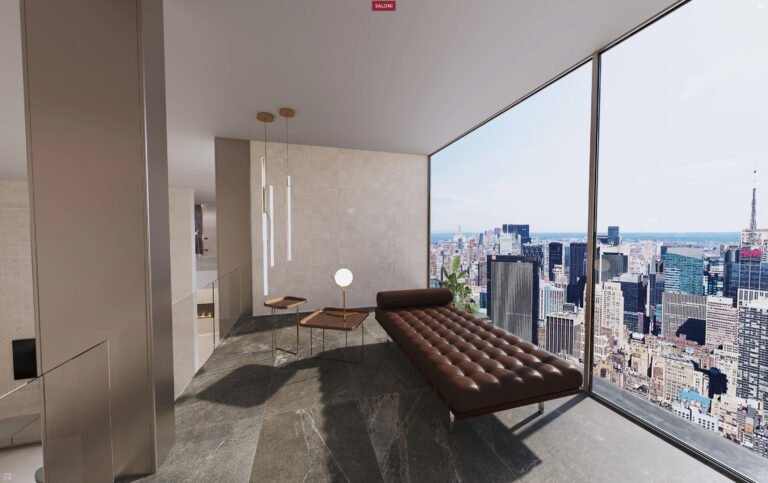
Here the combination is almost mandatory by definition: the building does not exist yet. 3D rendering builds the architectural volume and interior spaces before the first stone is laid. Photography is reserved for the real surroundings—the area, the views, the neighborhood—once something physical exists to photograph. And 3D virtual tours let a buyer walk through an apartment that is still just a floor plan. No serious developer relies on a single technique for its sales materials.
Advertising and marketing agencies
Agencies are, in a way, the ones pushing hardest to combine techniques, since they work with budgets and timelines tight per campaign. A single campaign piece may mix real photography of a model or location, a digitally inserted 3D-rendered product, and AI retouching to adjust lighting or remove unwanted elements. The end result is a single coherent image, even though its origin is multiple. This type of combined project is common in campaigns where the physical product is not available in time for the photo shoot.
Architecture and interior design
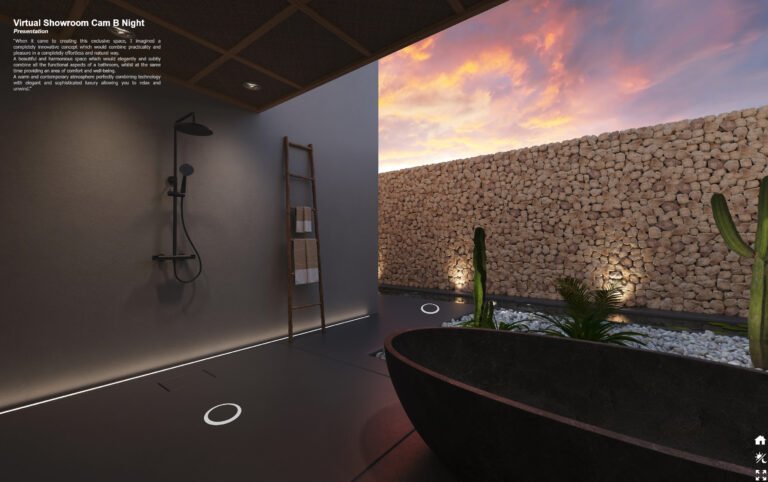
Architecture and interior design studios use 3D rendering to present projects at the design stage, but once the space is already built, many opt for real photography complemented by digital retouching: removing visible cables, adjusting the sky, correcting perspectives. The decision between render and photography in this sector almost always depends on a single question: does the space already exist physically, or is it still a paper project?
Automotive and high-value consumer goods
Manufacturers of vehicles, appliances and consumer electronics combine 3D rendering for product configurators—where buyers choose color and finish in real time—with real photography for launch campaigns and 360 product spins for e-commerce listings. AI is mainly used to generate background and context variations without repeating physical production for each market where the product is sold.
What these industries have in common
It is no coincidence that these industries converge on the same logic. They all share broad catalogs, fast production cycles and the need to show variants of the same product or space without multiplying production cost for each version. When those conditions apply, combining techniques stops being a creative decision and becomes an operational efficiency decision. Planning that combination well from the start avoids rework; this is how a project mixing several techniques is planned without the budget spiraling out of control mid-process.
Frequently asked questions
Which industries most commonly combine 3D, AI and photography?
Furniture, industrial products, real estate development, fashion, architecture, advertising agencies and manufacturers of high-value consumer goods are the sectors where this combination is already common practice, mainly because they handle broad catalogs or products that are not always physically available to photograph.
Why would a furniture manufacturer use rendering instead of only photography?
Because photographing every color or finish variant of a large catalog is very costly in time and logistics. With a 3D model already created, generating dozens of variants is much faster and cheaper than repeating photo shoots for each combination.
Does AI replace photography in these industries?
It doesn’t replace it, it complements it. Generative AI is mainly used to multiply background, context or lighting variations from an already photographed or rendered base, not to create from scratch products that require exact technical fidelity.
How does a company decide which technique to use for each visual piece?
The decision usually depends on whether the product or space exists physically, how many variants are needed and what level of textural detail is essential. A nonexistent product or one still in the design phase requires rendering; a fine material detail usually requires real photography.
Is it more expensive to combine techniques than to use just one?
Not necessarily. Well planned, combining techniques usually reduces the total project cost because it avoids repeating physical production for each variant and takes advantage of digital assets already created, such as a product’s 3D model.