3D rendering for complex industrial products: clarity, control, and precision
When a product is too complex to explain with a single image
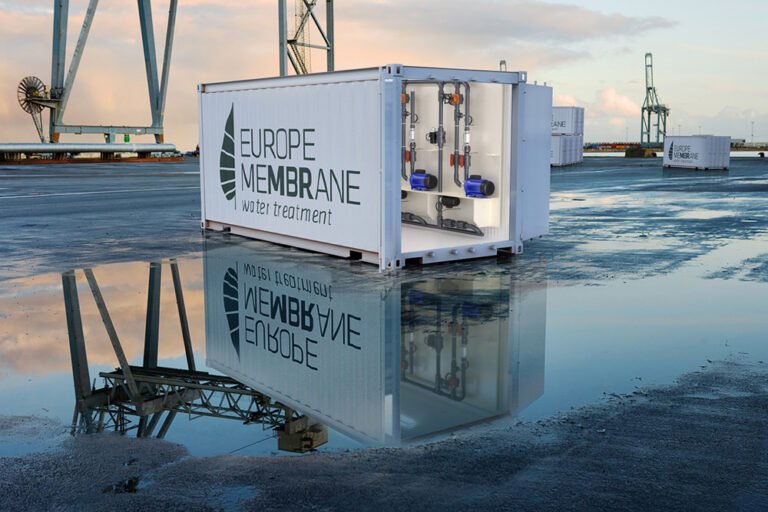
In industrial environments, many products are not immediately understandable. Mechanical systems, modular equipment, technical solutions with multiple components or configurations often require more than a photograph.
The challenge is not only visual: if a product is not understood, it is not valued. In these cases, 3D rendering becomes a key tool for communicating with clarity and precision.

What we mean by a complex industrial product
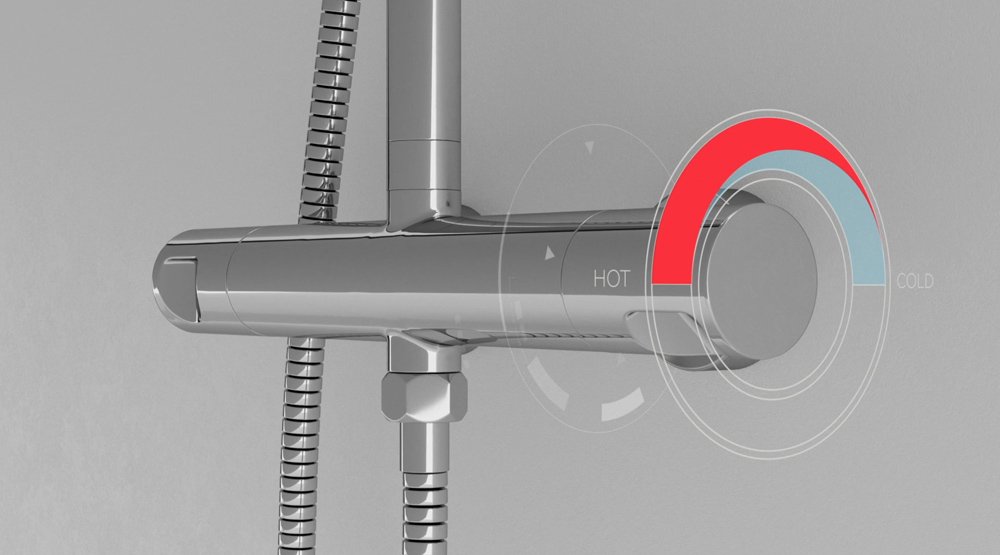
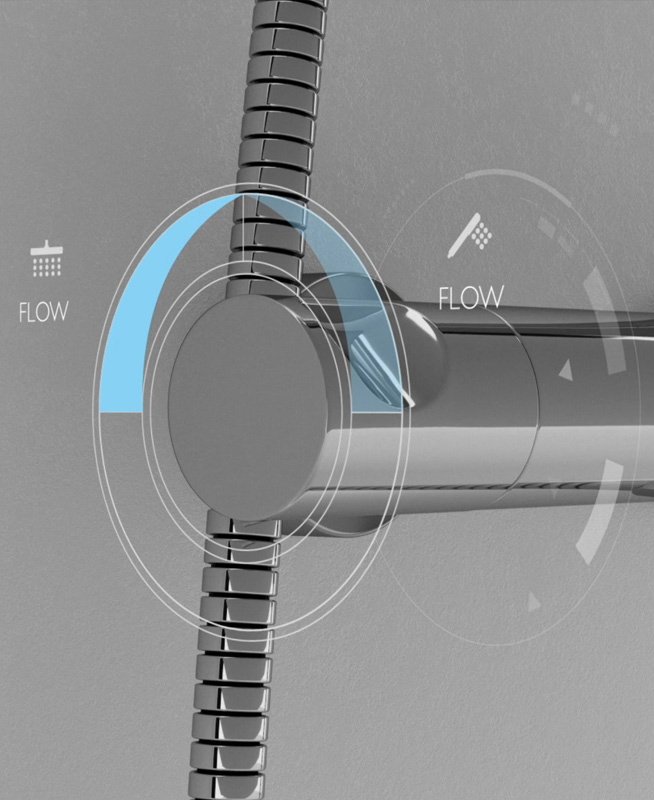
An industrial product is considered complex when it presents one or more of the following characteristics:
- Multiple components or subassemblies
- Internal operation that is not visible
- Variable configurations
- Interaction between parts
- Specific technical requirements
In such cases, a conventional static image is usually insufficient to explain the whole system.
3D rendering as a technical explanation tool
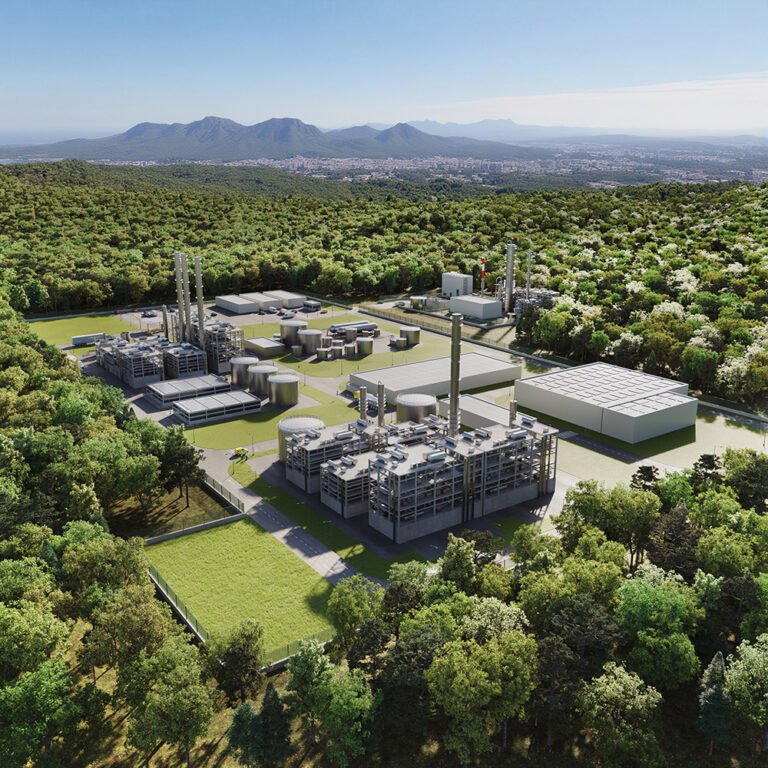
3D rendering allows a precise representation of the product to be built from technical information, without the need to manufacture or photograph it.
Its most relevant contributions include:
- Clear visualization of complex geometries
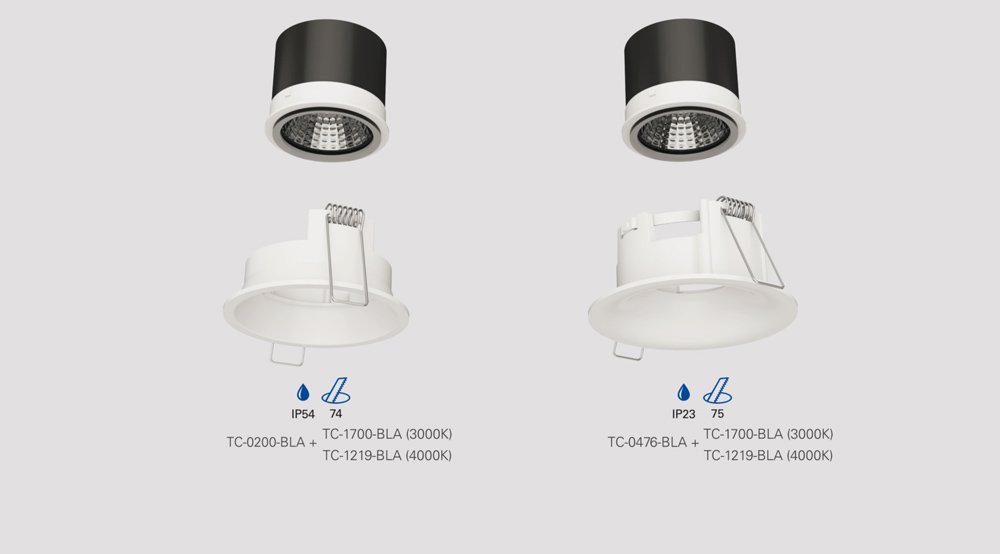
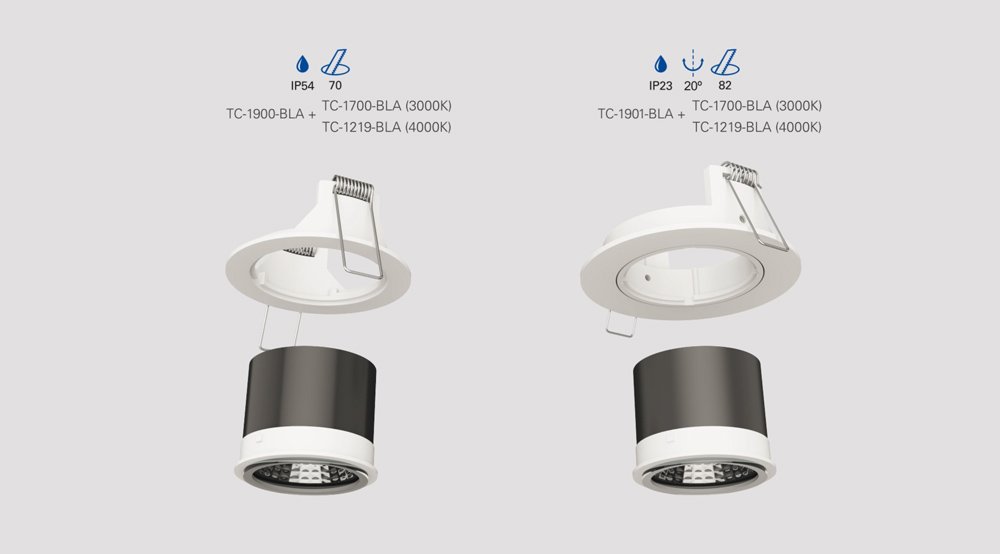
- The ability to show exploded views
- Isolation of key components
- Explanation of relationships between parts
- Representation of different configurations
The image stops being decorative and becomes explanatory.
Showing what cannot be seen in the real product
In industrial products, much of the value lies in what happens inside.
3D rendering makes it possible to show:
- Technical sections and cutaways
- Visualization of flows (air, water, energy)
- Mechanical movements
- Operating processes
This facilitates understanding for both technical profiles and non-specialist audiences.
Full control over the visual outcome
One of the main advantages of 3D rendering in industrial contexts is control.
It allows you to decide:
- What is shown and what is hidden
- The appropriate level of detail
- The most explanatory point of view
- The degree of simplification required
This way, the image adapts to its purpose: commercial, technical, or educational.
Typical applications of industrial 3D rendering
3D rendering of complex industrial products is commonly used for:
- Sales presentations
- Industrial trade shows
- Technical documentation
- Corporate websites
- Internal training
- Sales support materials
In all these contexts, visual clarity is a decisive factor.

Realism without exaggeration
In industrial communication, realism does not mean spectacle. Overly stylized images can create mistrust.
A professional industrial render should:
- Respect real-world proportions
- Use plausible materials
- Avoid unnecessary visual effects
- Maintain technical coherence
The goal is to explain and build confidence, not to impress without substance.
3D rendering as a bridge between engineering and the market
One of the greatest values of 3D rendering is its ability to translate technical language into a visual form that is easy to understand.
It helps to:
- Align engineering and sales teams
- Communicate with non-technical clients
- Reduce misunderstandings
- Support commercial decision-making
The image becomes a shared language.
A professional approach to industrial visualization
At Mimetry, industrial 3D rendering is approached from a deep technical understanding of the product combined with a clear visual perspective, prioritizing precision, readability, and coherence with the real-world equipment being represented.
Frequently asked questions (FAQ)
Is it necessary to have final CAD models?
Not always, but the more technical data available, the higher the accuracy of the render.
Is 3D rendering only useful for sales?
No. It is also highly valuable for training, technical documentation, and internal communication.
Can a product be simplified without losing technical rigor?
Yes. Controlled simplification actually improves understanding.
Can 3D rendering show different product versions?
Yes. This is one of its main advantages over photography.
Is it credible for demanding industrial clients?
Yes, when produced with technical rigor and professional judgment.
Conclusion
3D rendering is a key tool for communicating complex industrial products. It allows technical information to be explained, structured, and made understandable without manufacturing or photographing the product, while maintaining control, realism, and precision.