How a 3D Virtual Tour Improves Real Estate Project Marketing
The New Expectations of Today’s Property Buyer
Real estate marketing has evolved significantly in recent years. Buyers no longer rely solely on floor plans or a series of static renderings to understand a property. They expect clarity, transparency and a realistic sense of space before scheduling a visit.
In this environment, a 3D virtual tour has become a strategic tool for developers, architectural firms and real estate marketers seeking to offer a more immersive and convincing presentation.
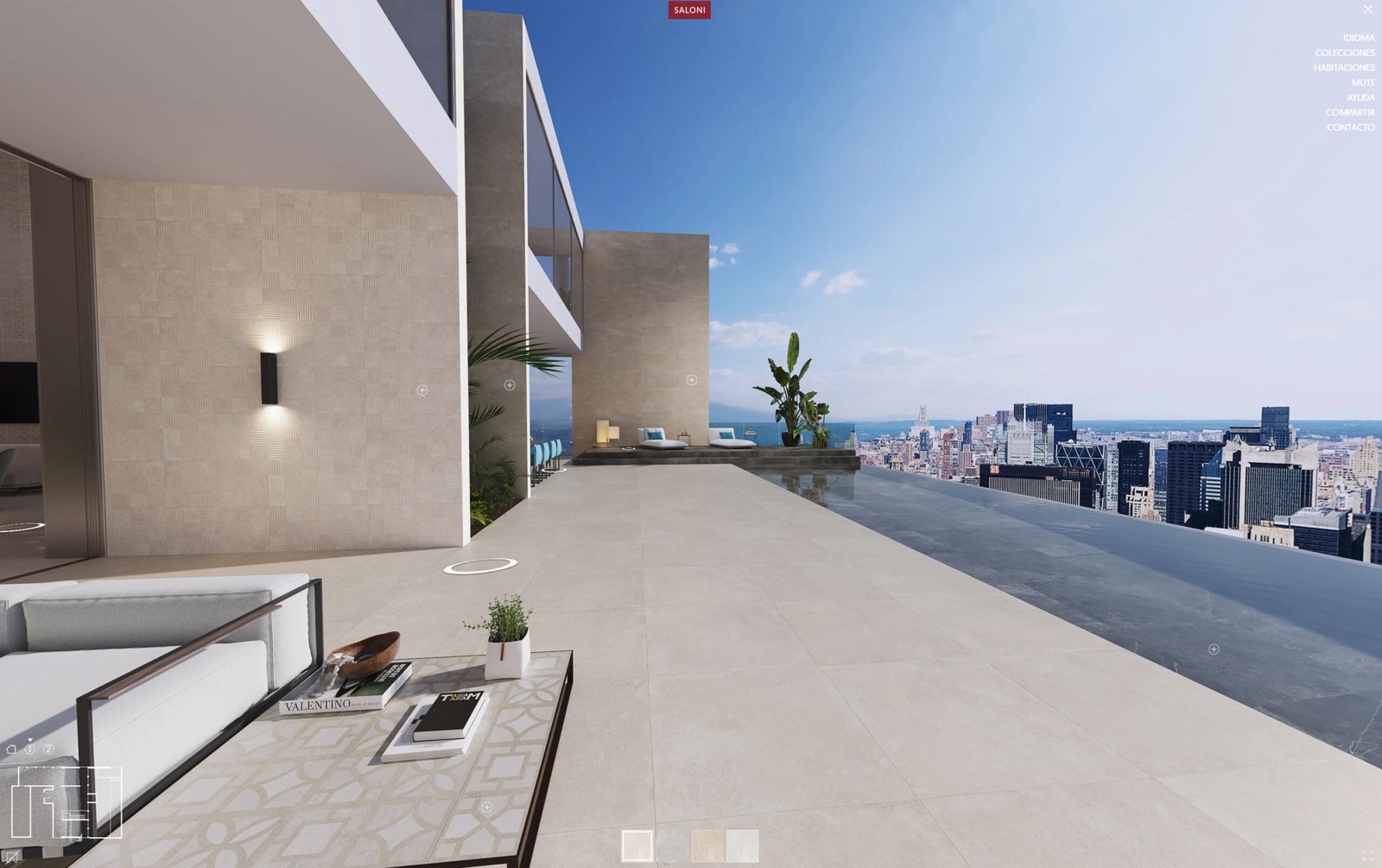
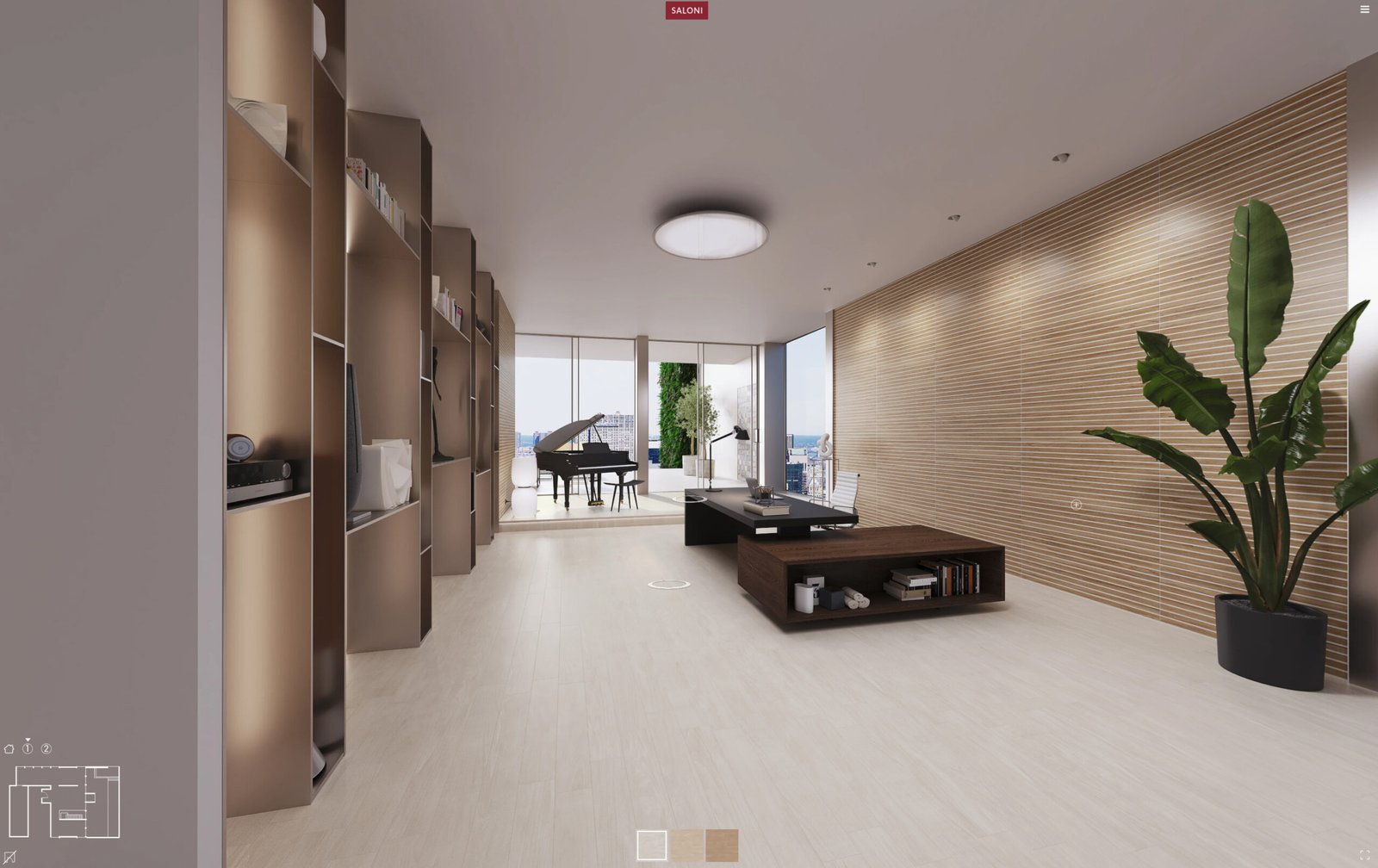
A virtual tour does more than display a project. It allows potential buyers to experience it. When users can explore a property freely, moving through rooms and understanding spatial relationships, the project becomes tangible long before construction is complete.


From Technical Drawings to Immersive Understanding
Architectural plans are essential from a technical perspective, but they are not always intuitive for end clients. Even high-quality static renderings, while visually appealing, remain limited to fixed viewpoints.
A 3D virtual tour bridges that gap. It enables users to navigate through the space at their own pace, observe proportions naturally and understand how different areas connect. This freedom significantly enhances spatial comprehension.
Greater clarity reduces uncertainty. Reduced uncertainty builds confidence. And confidence plays a decisive role in accelerating purchase decisions, particularly in competitive real estate markets.
A Powerful Tool During Pre-Sales Phases
One of the biggest challenges in property development is marketing projects that have not yet been built. Buyers are asked to commit to something they cannot physically visit.
A professionally developed 3D virtual tour provides a reliable visual reference during this critical stage. It communicates layout logic, atmosphere, light behavior and overall spatial quality in a way that static imagery cannot fully achieve.
For international investors or remote buyers, this becomes even more important. The ability to explore a property digitally before traveling strengthens engagement and streamlines the decision-making process.
A virtual tour does not replace a physical visit, but it significantly narrows the gap between concept and experience.
Enhancing the Sales Process
Beyond marketing, a 3D virtual tour improves internal sales efficiency. Sales teams can use it as a dynamic presentation tool, guiding clients through different layouts, unit types or configurations without relying solely on verbal explanations.
When a buyer can navigate independently, discussions become more focused and precise. Questions are clarified visually. Spatial relationships are easier to explain. This reduces misunderstandings and shortens sales cycles.
For developments offering multiple unit typologies, virtual tours allow each layout to be presented clearly without the logistical burden of constructing multiple physical show units.


Standing Out in a Competitive Market
In areas where several developments compete within the same segment, differentiation becomes essential. Many projects still rely on brochures and static renders. While these materials may be professionally produced, they rarely create the same level of engagement as an immersive digital experience.
Integrating a 3D virtual tour communicates innovation, technical capability and confidence in the project itself. Presentation quality directly influences perceived property value.
At Mimetry, we approach each real estate virtual tour as part of a broader communication strategy. The goal is not simply to create an impressive visual feature, but to design an experience aligned with the development’s positioning, target audience and commercial objectives.
Impact on Digital Real Estate Marketing
From a digital marketing perspective, 3D virtual tours increase user engagement and time spent on page. Visitors who explore a property interact more deeply with the content, which often translates into higher-quality inquiries.
A virtual tour can be integrated into dedicated landing pages, investor presentations or targeted international campaigns. It becomes a central element within a digital strategy rather than a secondary feature.
For developments targeting overseas buyers or luxury segments, immersive visualization strengthens credibility and reinforces the premium positioning of the project.
Realism and Credibility as Strategic Assets
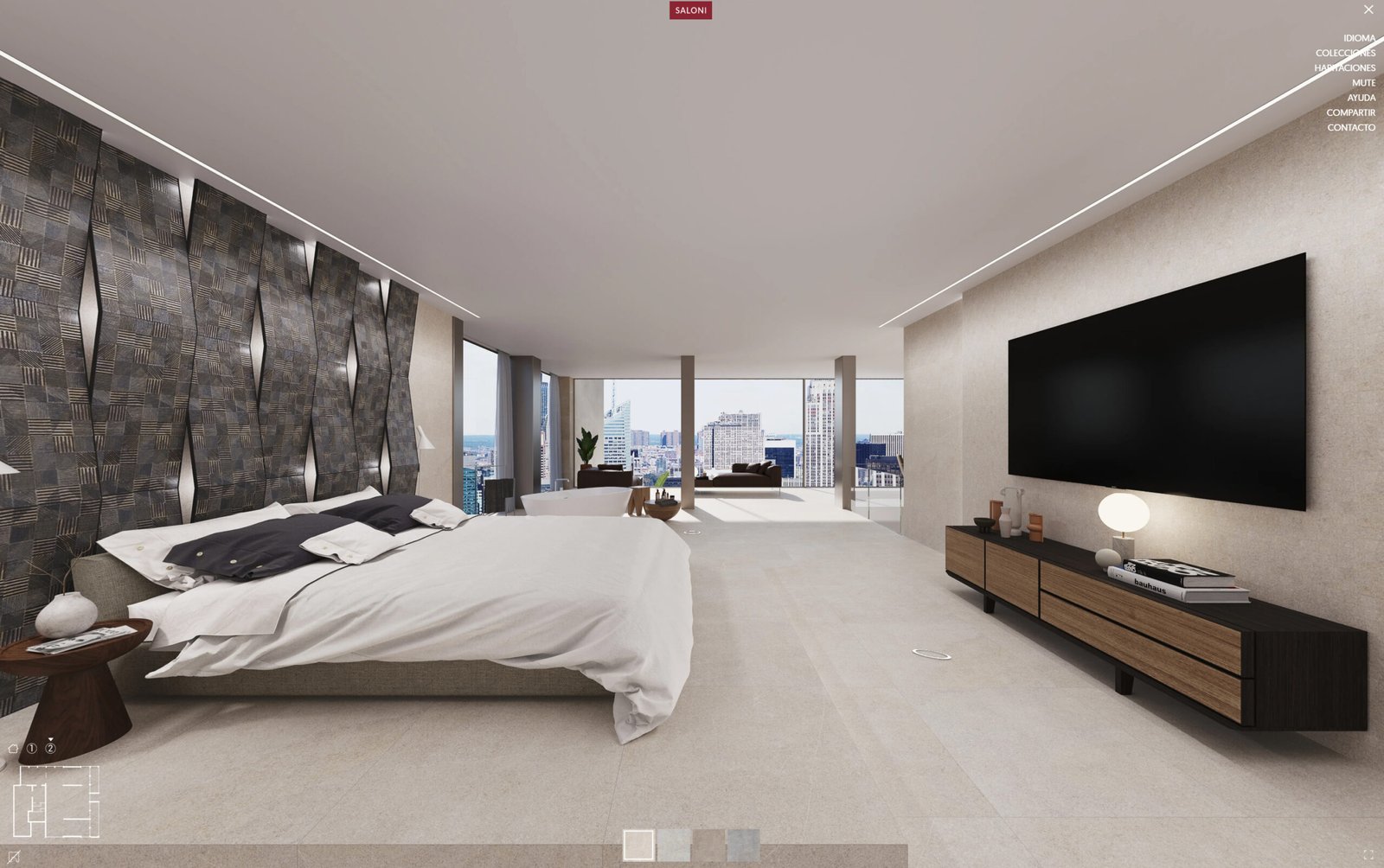
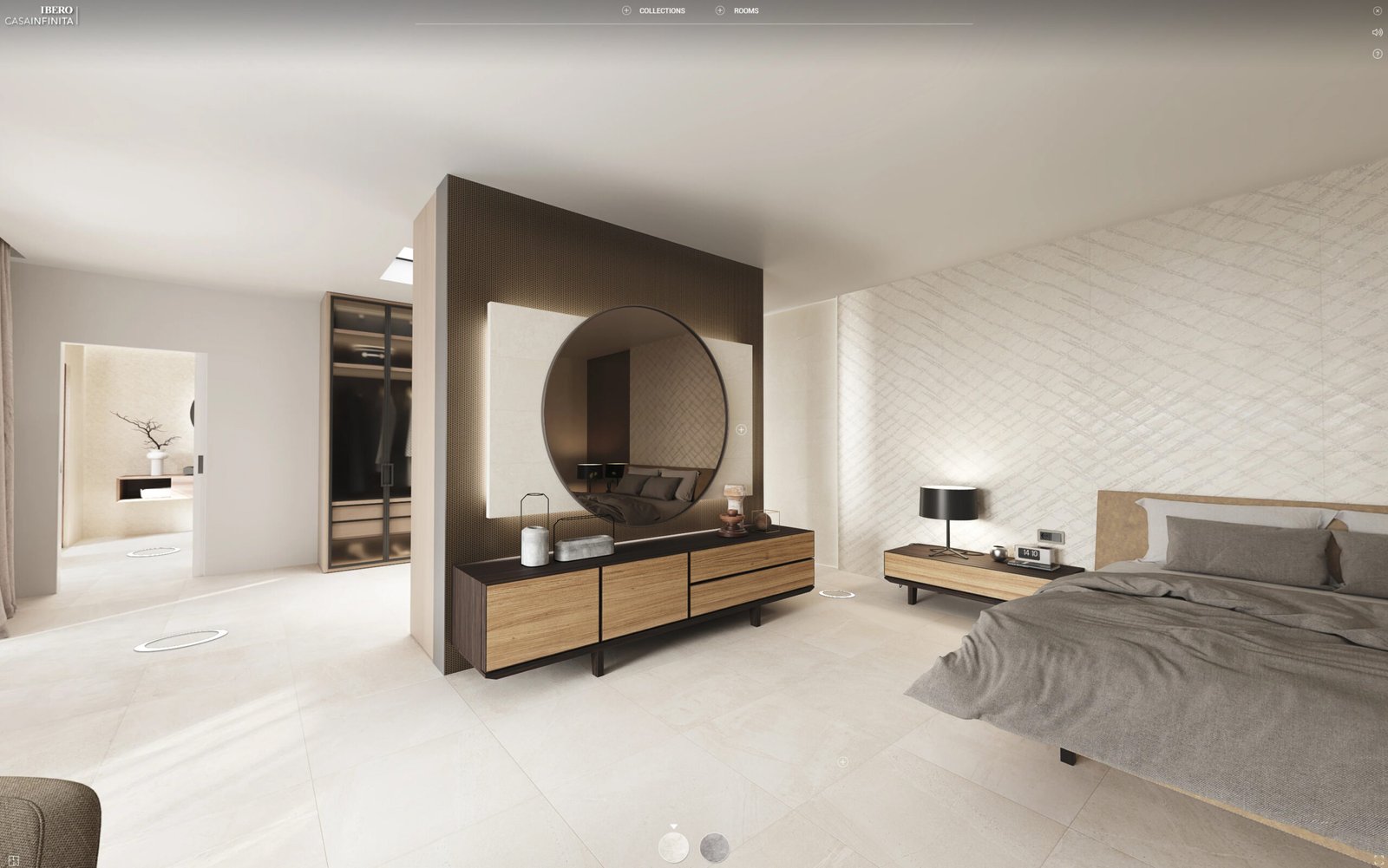
Not all virtual tours generate the same effect. Realism is a decisive factor. Lighting consistency, accurate scale, natural navigation flow and material coherence influence how the project is perceived.
In real estate marketing, credibility is fundamental. A poorly executed visualization can create doubt, while a carefully crafted environment builds trust.
At Mimetry, each 3D virtual tour is developed with technical precision and strategic awareness. We focus on visual coherence and user experience, ensuring that the tour communicates reliability rather than spectacle alone.
Supporting International Commercial Expansion
For developments located in high-demand or tourism-driven regions, virtual tours play a strategic role in international marketing. Prospective buyers can explore the property remotely, evaluate layouts and assess overall potential before scheduling visits.
This flexibility expands the geographic reach of a development and facilitates early-stage commitment.
In selected projects, configurable options can also be integrated to present alternative finishes or atmospheres. This reinforces personalization and helps buyers visualize how the property could adapt to their preferences.

Mimetry’s Approach to Real Estate Virtual Tours
Our expertise in high-end 3D rendering, advanced lighting and architectural visualization allows us to design 3D virtual tours specifically tailored to real estate development needs.
Each project is analyzed in relation to its market positioning, competitive environment and target audience. We do not rely on generic solutions. Instead, we develop immersive environments that strengthen perception of quality and support the project’s commercial strategy. An effective 3D virtual tour is not just a sequence of panoramic views. It is a communication tool designed to clarify, reassure and elevate the value of the development.
FAQ – 3D Virtual Tours for Real Estate Projects
Does a 3D virtual tour replace an in-person visit?
A 3D virtual tour does not replace a physical visit, but it significantly enhances it. Buyers arrive better informed and with a clearer understanding of the layout and atmosphere. This reduces uncertainty and makes in-person meetings more focused and productive, often accelerating final decision-making.
Is it particularly useful during pre-construction phases?
Yes. When a property has not yet been built, buyers need reliable visual references. A professionally developed 3D virtual tour provides a realistic representation of the future space, reinforcing trust and helping clients feel confident committing during early sales stages.
Does it truly influence purchase decisions?
Yes, because it improves spatial understanding and builds confidence. When buyers can explore a property virtually and grasp its proportions and flow, they feel more secure about their choice. This sense of clarity often shortens the time between initial interest and reservation.
Can it support international marketing strategies?
Absolutely. For developments targeting foreign buyers or investors, a 3D virtual tour becomes a strategic asset. It allows prospects to experience the property remotely with depth and realism, making preliminary decisions easier before arranging travel or formal meetings.
What differentiates a professional virtual tour from a basic one?
The difference lies in realism, navigation logic and strategic alignment. A professional 3D virtual tour ensures lighting consistency, accurate proportions and intuitive movement. It is not simply about creating 360° images, but about designing an immersive tool that supports commercial objectives and reinforces credibility.