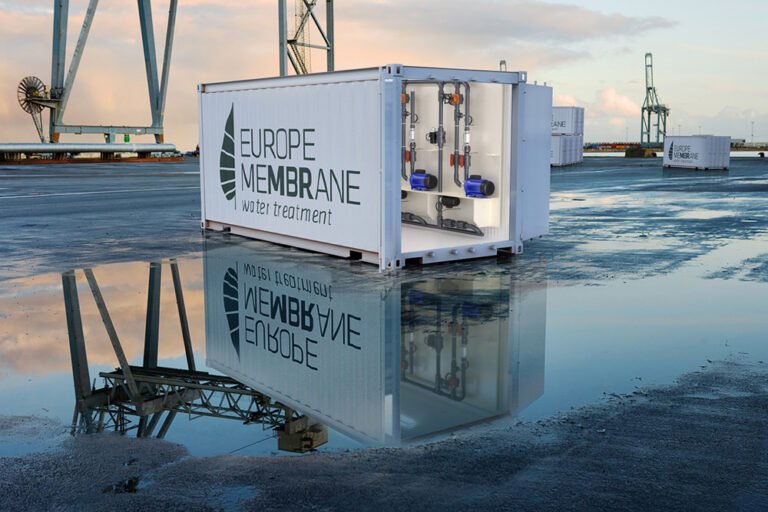
How to showcase industrial machinery without manufacturing it
The challenge of communicating machinery at early stages
In the industrial sector, visual communication often comes before manufacturing. Machinery under development, production lines that do not yet exist physically, or highly customized equipment all present a recurring challenge: you need to show something that cannot yet be photographed.
Waiting for final manufacturing is not always an option. Trade shows, sales presentations, internal validations, or product launches require clear visuals before the equipment is actually built.

Why photography is not always an option
Traditional photography depends on machinery being fully manufactured and available. In industrial environments, this is rarely the case when communication is needed.
Common limitations include:
- Machinery still in the design phase
- Large-scale equipment that is difficult to move
- Costly or logistically complex productions
- Frequent changes in design or configuration
- The need to present future versions
In these situations, photography stops being a practical solution.
3D rendering as an industrial visualization tool
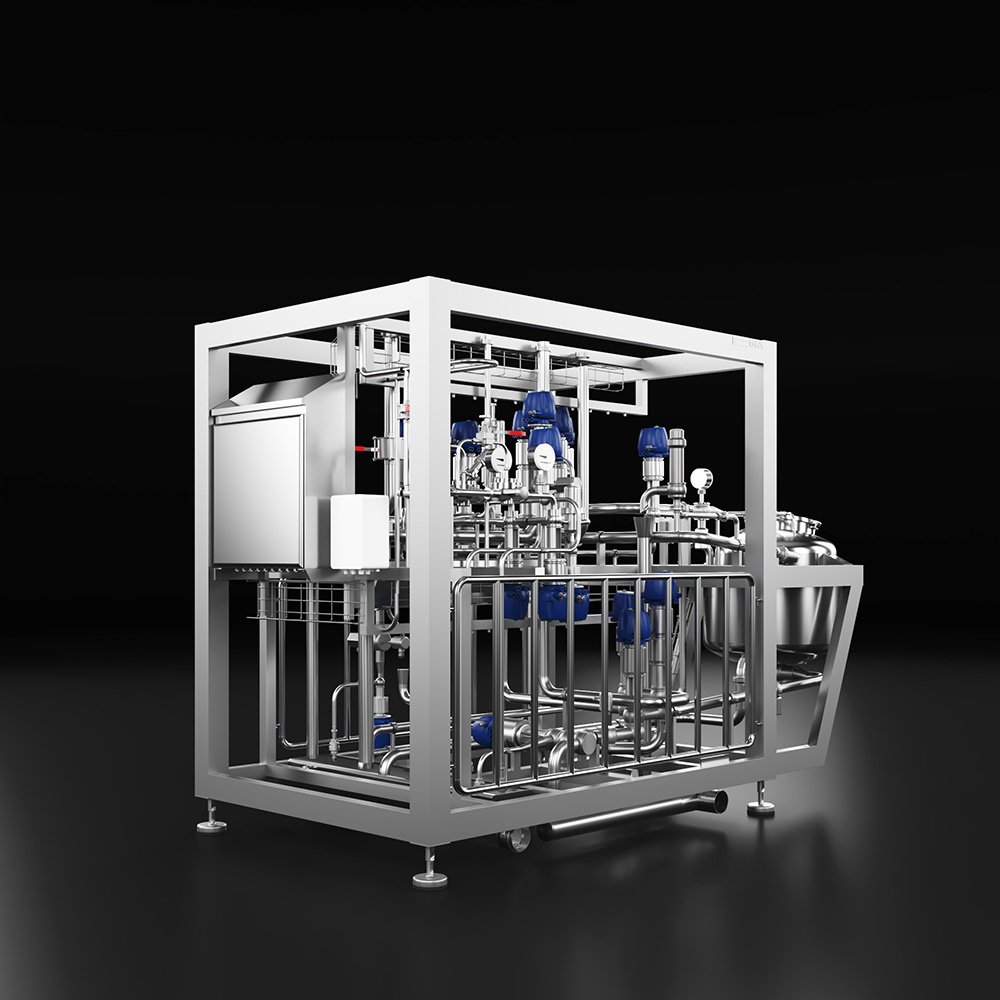
3D rendering makes it possible to create accurate images of machinery based on technical drawings, CAD files, or engineering models—without the need for physical manufacturing.
Its main advantages in industrial contexts include:
- Visualizing equipment before it is built
- Full control over geometry and proportions
- The ability to show multiple configurations
- Adaptation to different commercial contexts
- Easy updates when designs change
This allows visual communication to evolve alongside product development.
Showing how it works, not just how it looks
In industrial machinery, value is not only in external appearance, but in how the machine operates.
3D rendering allows you to:
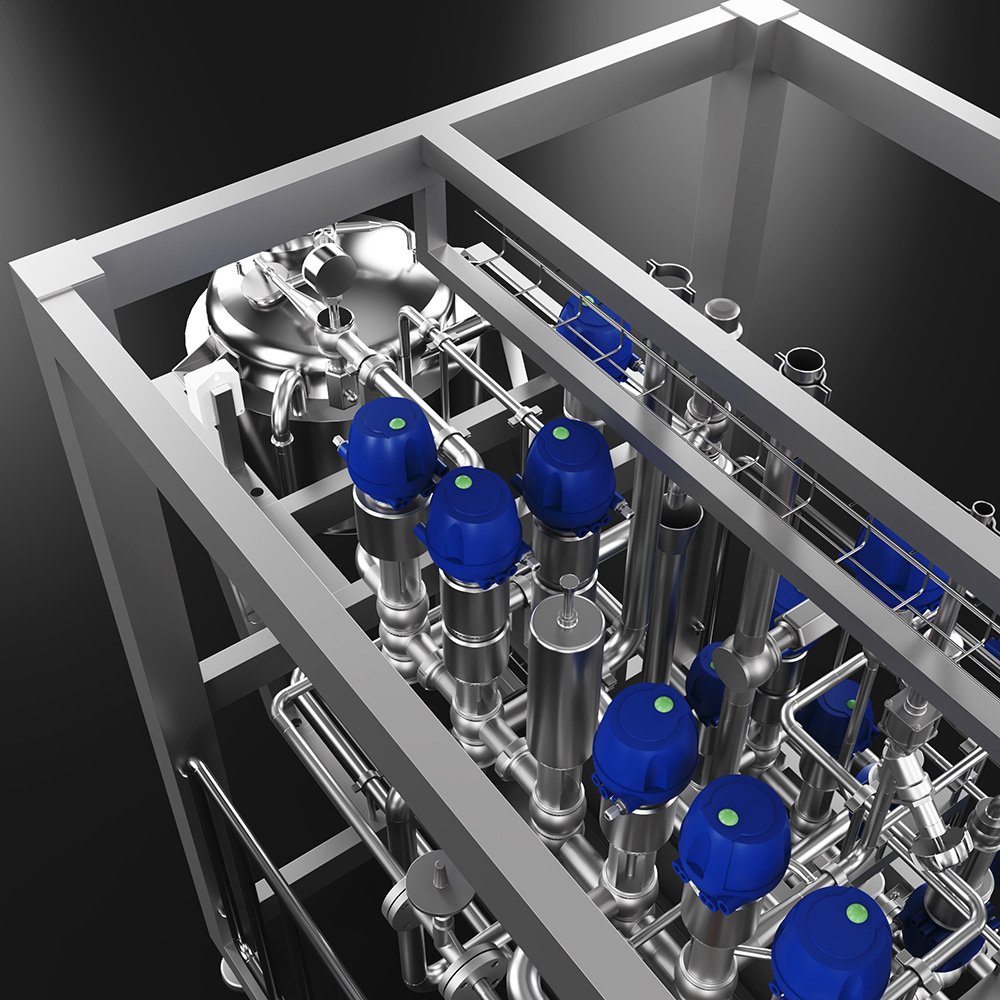
- Show exploded views
- Visualize internal flows
- Explain mechanical processes
- Represent operating sequences
This turns imagery into an explanatory tool, not just a visual asset.
Common applications in industry and machinery
Showcasing machinery without manufacturing it is particularly useful for:
- Industrial trade shows
- Sales presentations
- Commercial materials
- Technical dossiers
- Corporate websites
- Internal training
In all these contexts, visual clarity is essential to communicate technical value.


Realism and credibility in industrial visualization
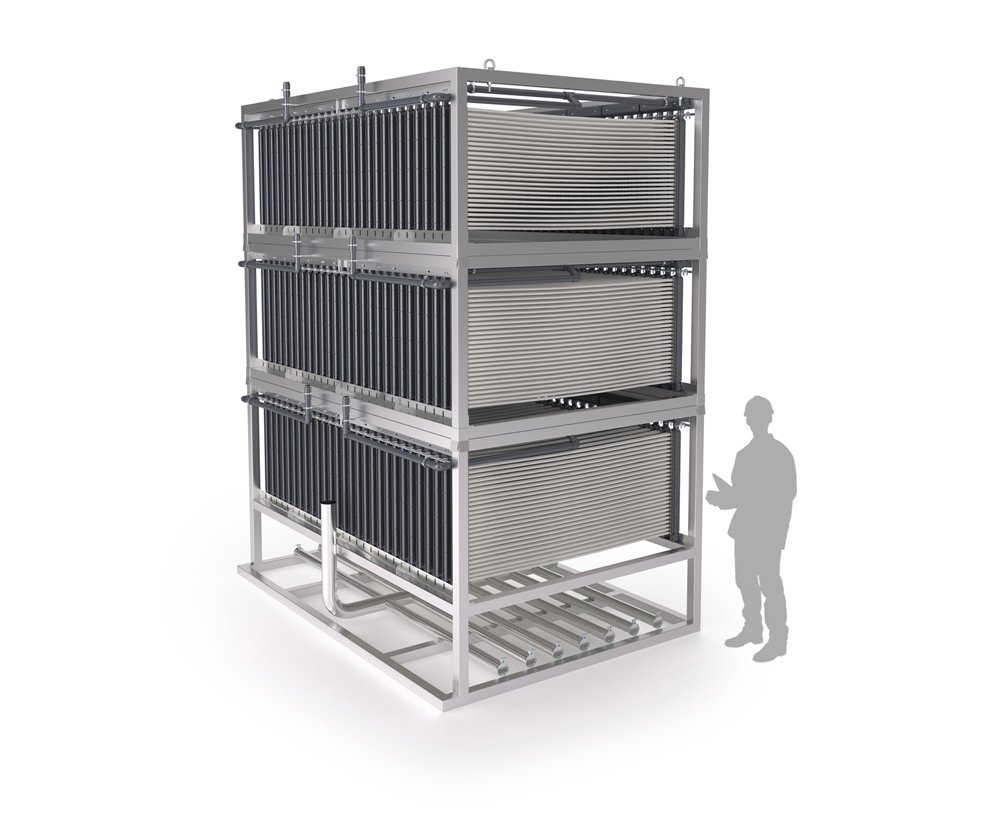
In industrial communication, credibility is critical. Overly idealized images can create mistrust.
A professional industrial render should:
- Respect real-world proportions
- Use plausible materials
- Avoid visual exaggeration
- Align with real technical processes
The goal is not to beautify, but to explain clearly and accurately.
Integration with commercial and technical workflows
3D rendering does not replace technical development—it supports it.
It helps to:
- Align technical and commercial teams
- Facilitate decision-making
- Communicate ideas to non-technical audiences
- Reduce misunderstandings
In this way, imagery becomes a bridge between engineering and the market.
A professional approach to industrial visualization
At Mimetry, industrial machinery visualization is approached with technical understanding and a photographic eye, ensuring clear, realistic images aligned with the actual industrial reality of the product.
Frequently asked questions (FAQ)
Can a render be created without final CAD drawings?
Yes, although the more technical data available, the more accurate the result.
Are these images suitable for trade shows and commercial materials?
Yes. They are especially useful when machinery cannot be displayed physically.
Does rendering replace final photography?
Not necessarily. In many cases, it complements or precedes it.
Can different configurations of the same machine be shown?
Yes. This is one of the key advantages of 3D rendering.
Are the final images credible for industrial clients?
Yes, when produced with technical rigor and professional judgment.
Conclusion
Showcasing industrial machinery without manufacturing it is both possible and effective through professional 3D rendering. When used with the right criteria, it allows complex products to be communicated, sold, and validated before they physically exist—without compromising credibility or technical rigor.