How to Strategically Plan a 3D Virtual Tour Before Production
The Most Common Mistake: Thinking About Technology Before Strategy
One of the most frequent mistakes when developing a 3D virtual tour is starting with the technology instead of the objective. Conversations quickly move toward 360° cameras, rendering workflows or interactive navigation systems, while the core question remains unanswered: what is the tour supposed to achieve?
A 3D virtual tour is not simply a sequence of panoramic views connected together. It is a communication tool. And like any strategic communication tool, it must be designed around a clear purpose.
Is it intended to support real estate pre-sales?
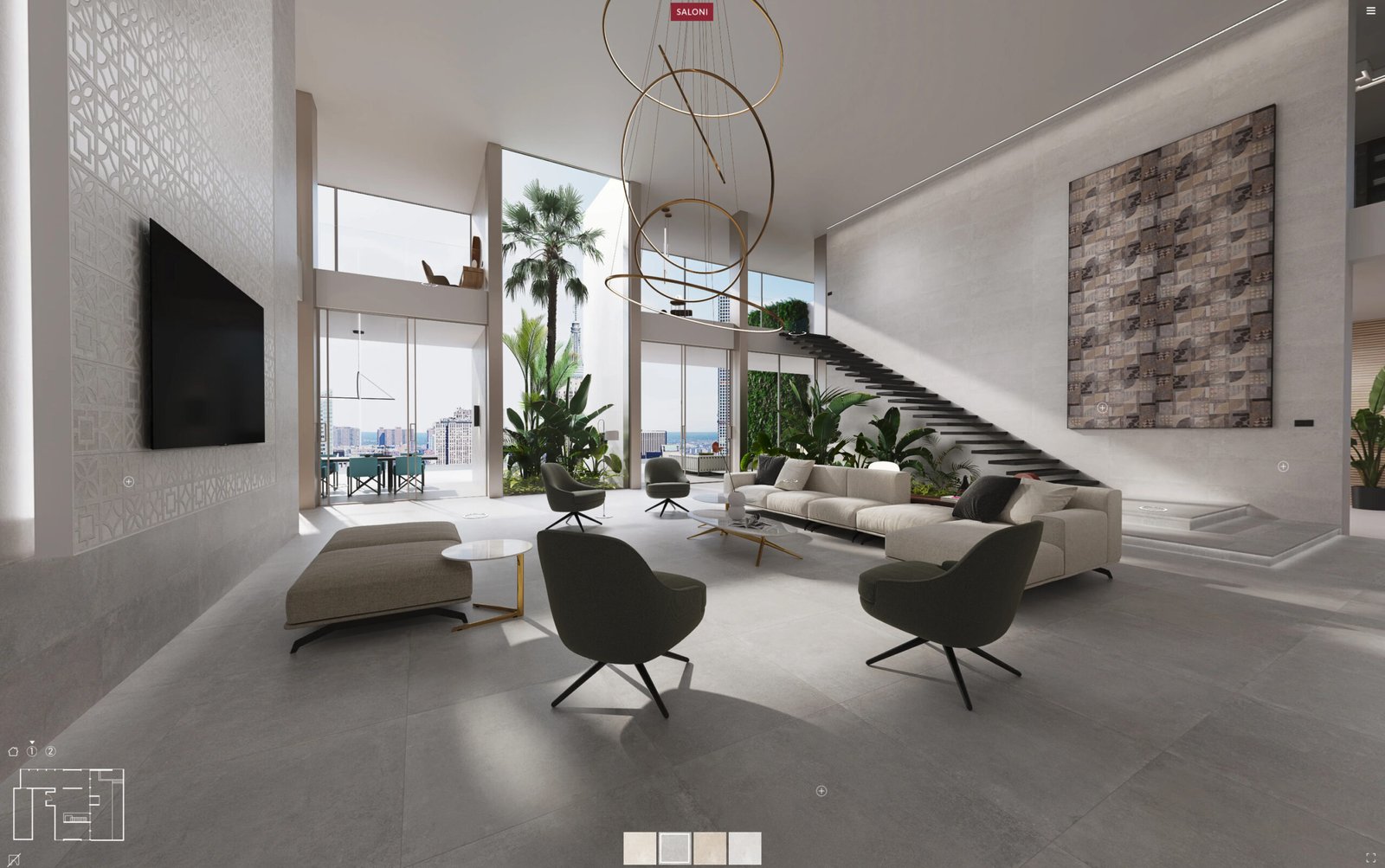
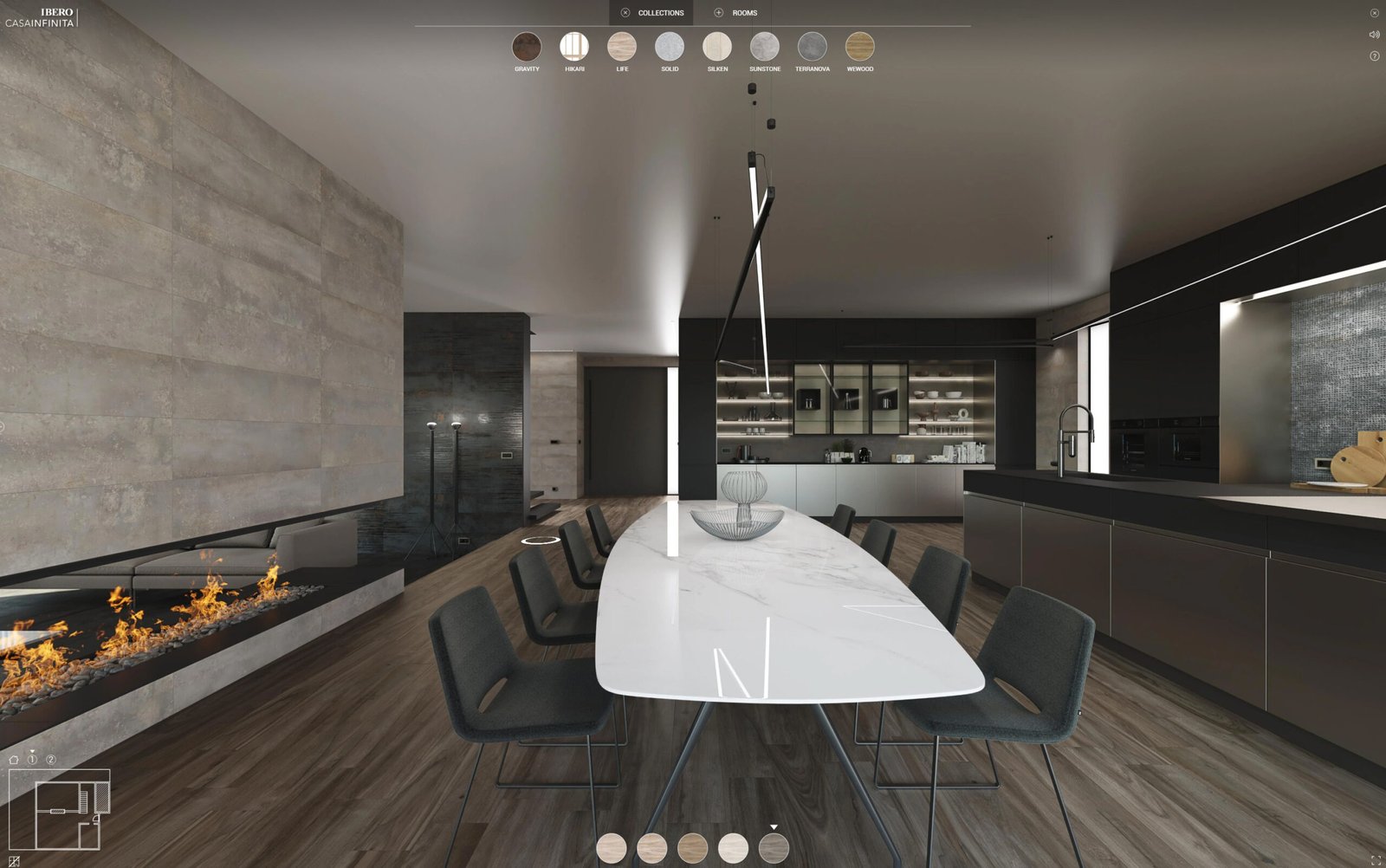
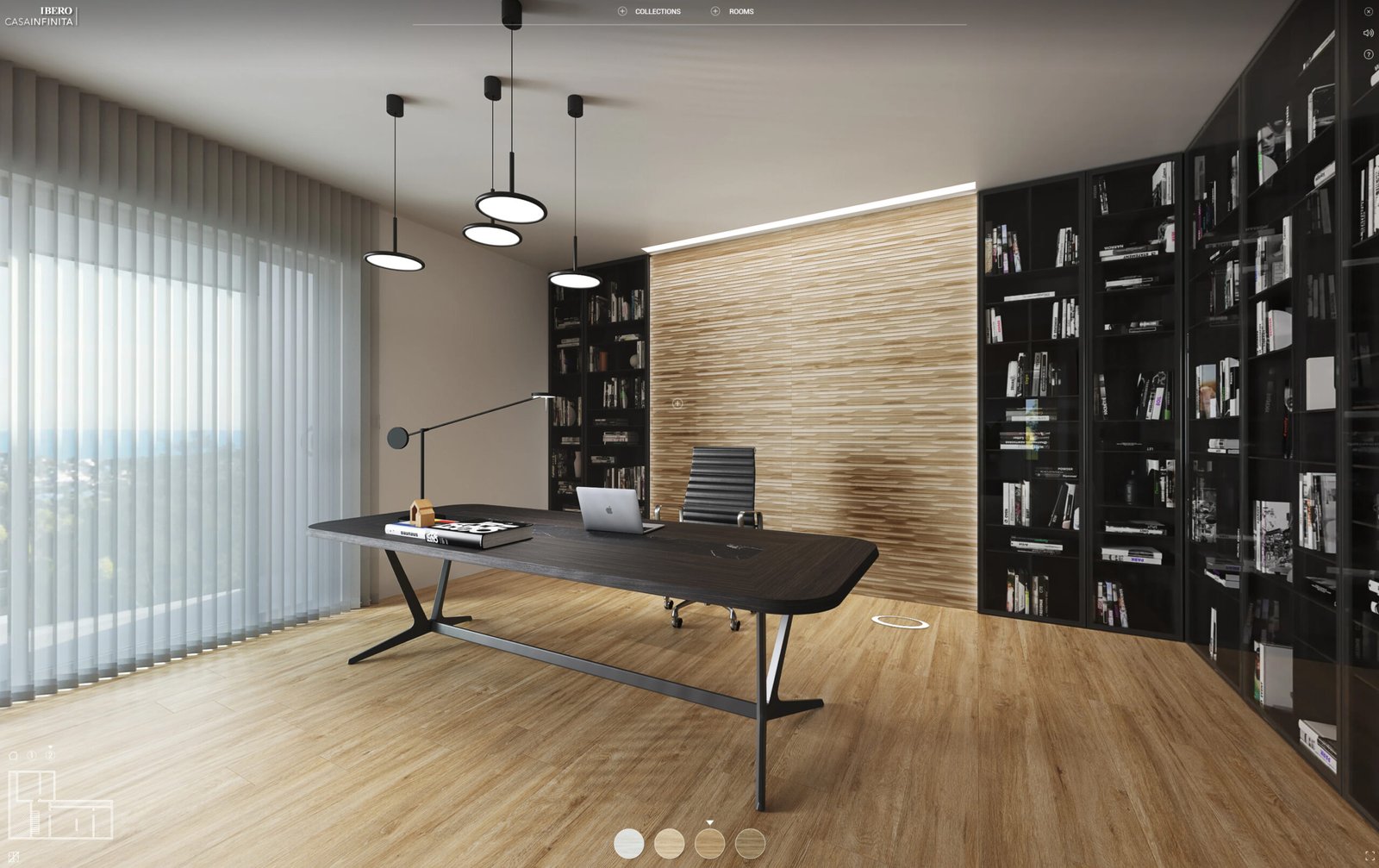
Is it a digital showroom for a manufacturer?
Is it meant to attract investors?
Is it part of a broader B2B marketing strategy?
The answers to these questions define everything else — level of detail, number of camera positions, interactive depth and navigation structure.
At Mimetry, planning begins long before production starts.
Defining the Objective: Sell, Explain or Position
Not every virtual tour serves the same function.
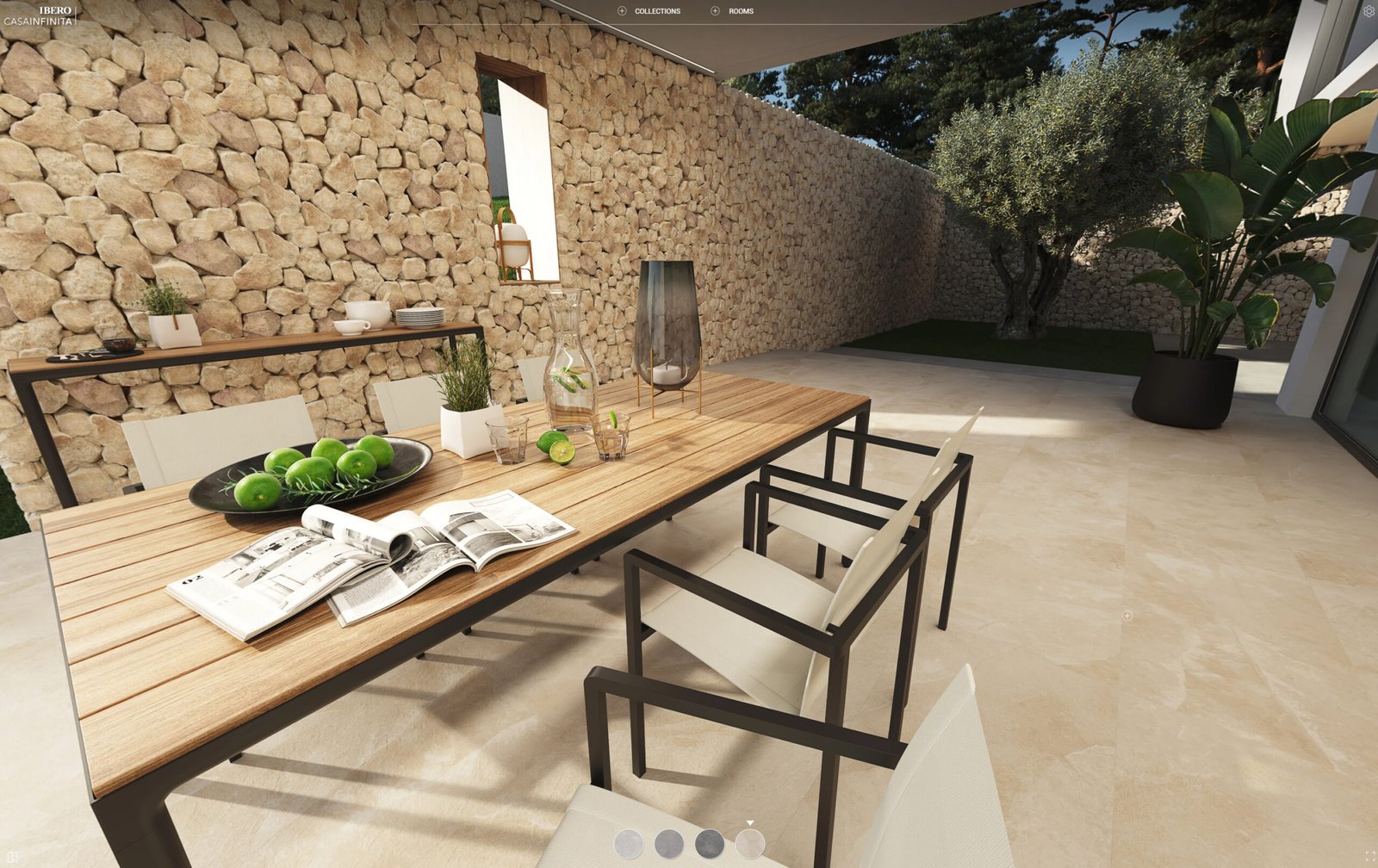
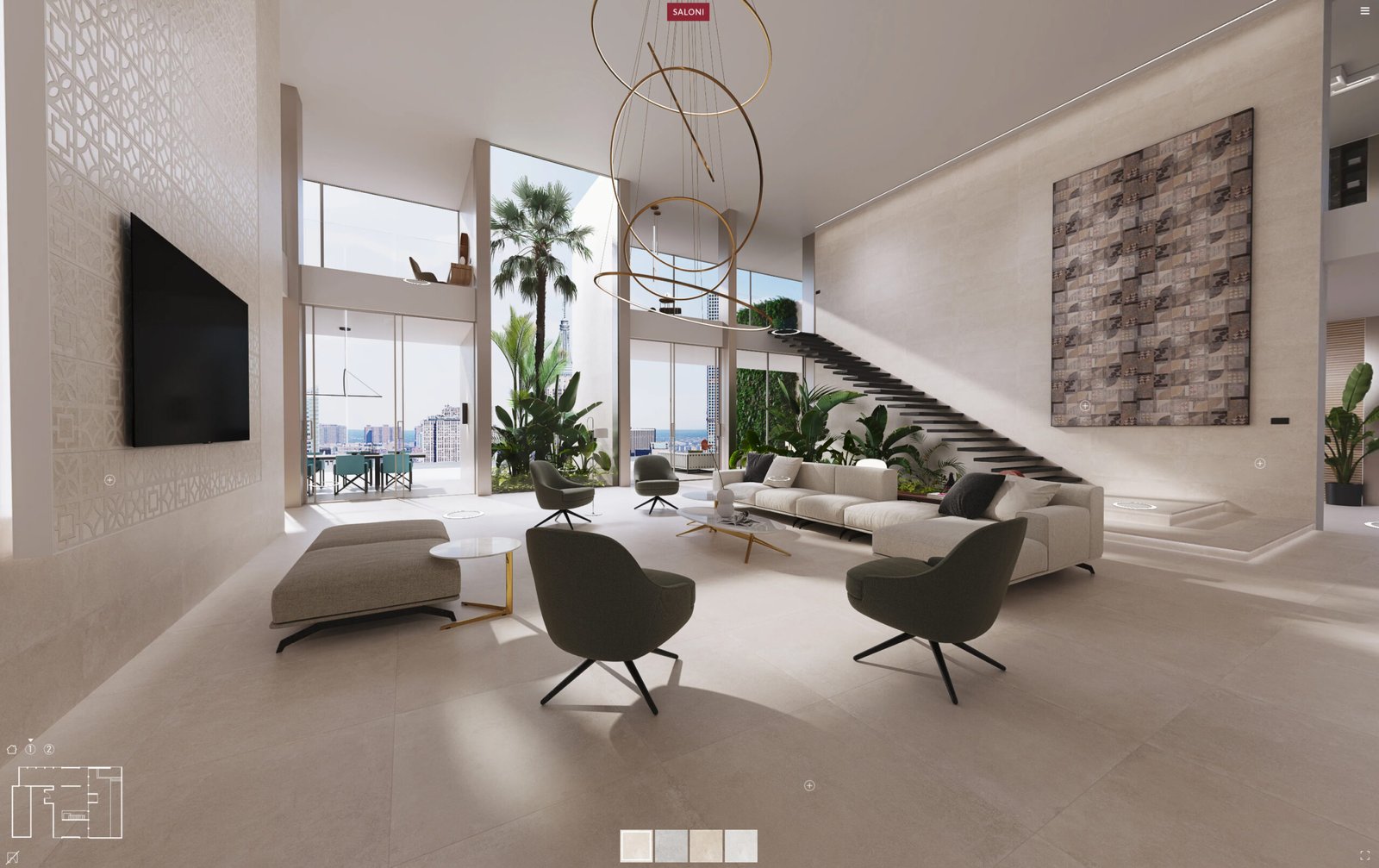
Some are designed to improve spatial understanding in property developments. Others act as commercial tools for manufacturers who need to present product applications in realistic environments. In certain cases, the goal is brand positioning or demonstrating technological capability.
When the objective is unclear, the result may look visually impressive but lack strategic direction.
An effective 3D virtual tour must respond to a defined intention. Strategic planning ensures that every decision — from layout design to interactivity — supports that purpose.
Without clarity, production becomes reactive instead of deliberate.
Deciding What Should Be Shown — and What Should Not
A crucial planning stage involves determining which parts of the space need to be developed and which do not add communicative value.
In 3D-rendered environments, every modeled element has implications for time and budget. Without a structured approach, it is easy to overproduce.
Strategic planning allows resources to be focused on elements that directly enhance user understanding and perception.
It is not about showing everything. It is about showing what matters.
Navigation Logic as Spatial Structure
Although a 3D virtual tour does not impose a linear narrative like a video, it still requires a coherent structure.
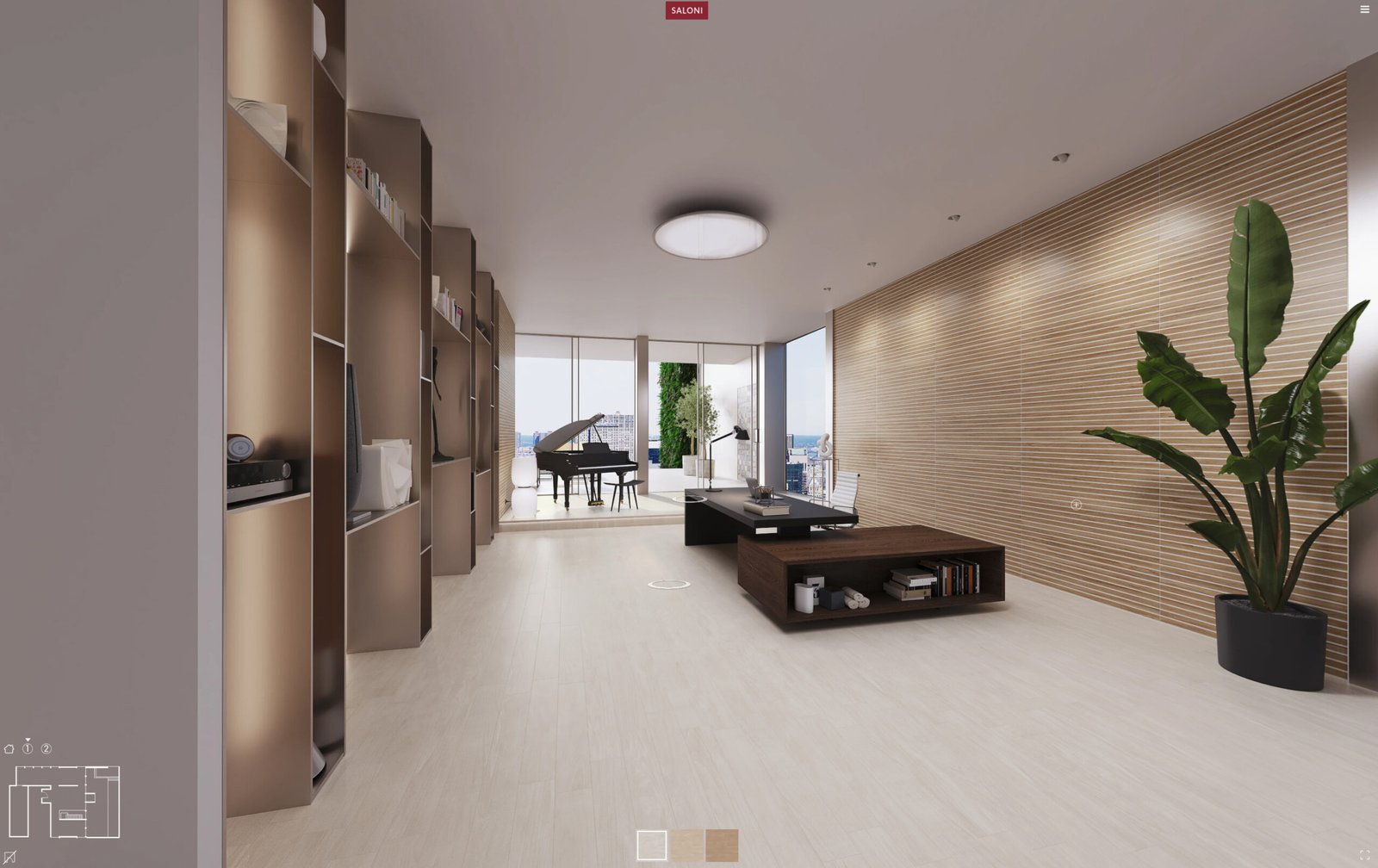
Camera placement cannot be random. Each position must contribute to spatial clarity and maintain logical continuity between viewpoints.
Strategic planning considers movement flow, visual relationships between positions and spatial rhythm. The distance between camera points influences how natural the experience feels.
When navigation is well designed, users perceive fluidity and realism. When it is improvised, the experience becomes fragmented.
At Mimetry, navigation structure is developed as a core part of the concept — not as a secondary technical step.
Defining the Level of Interactivity
Another key planning decision concerns the degree of interactivity.
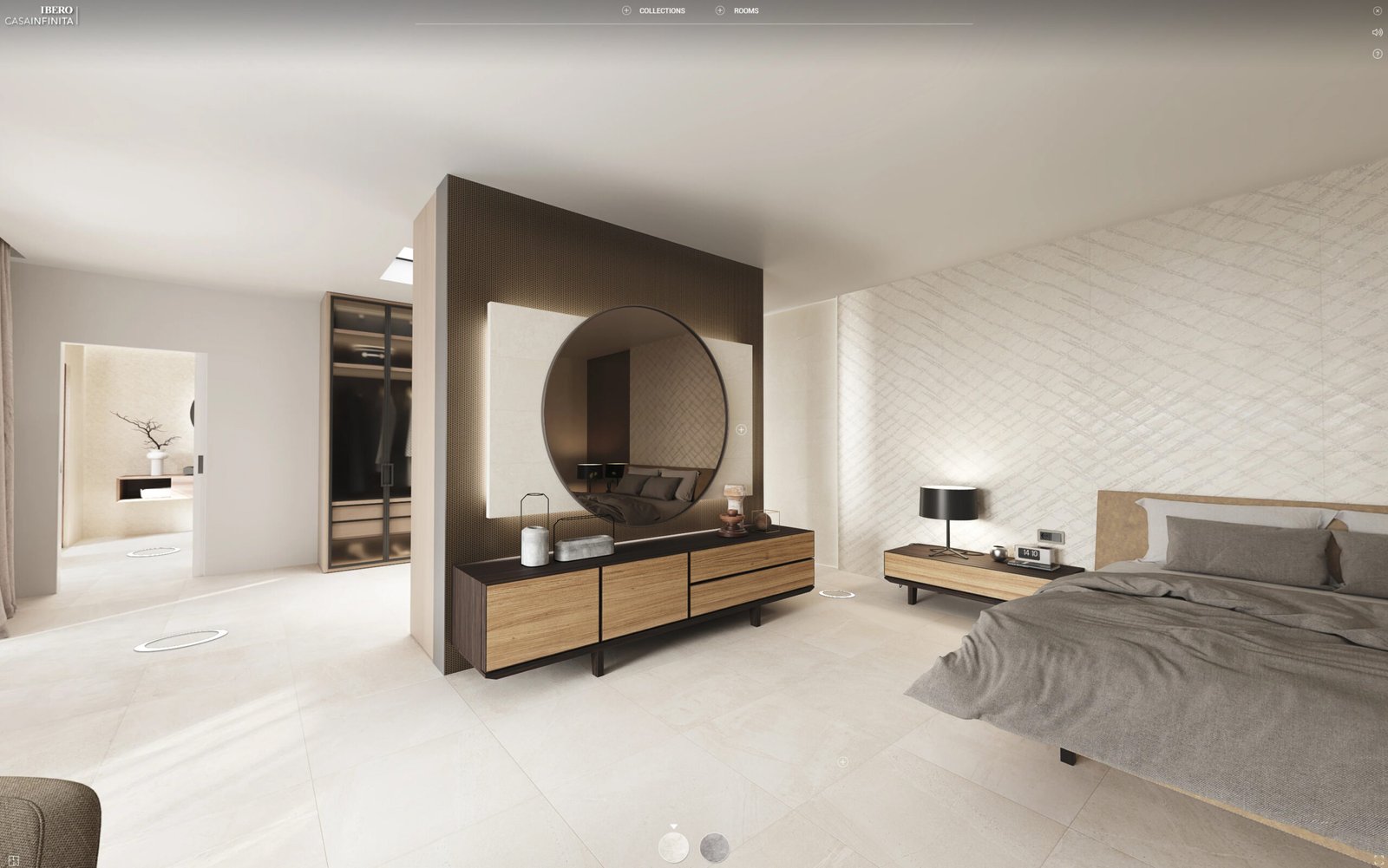
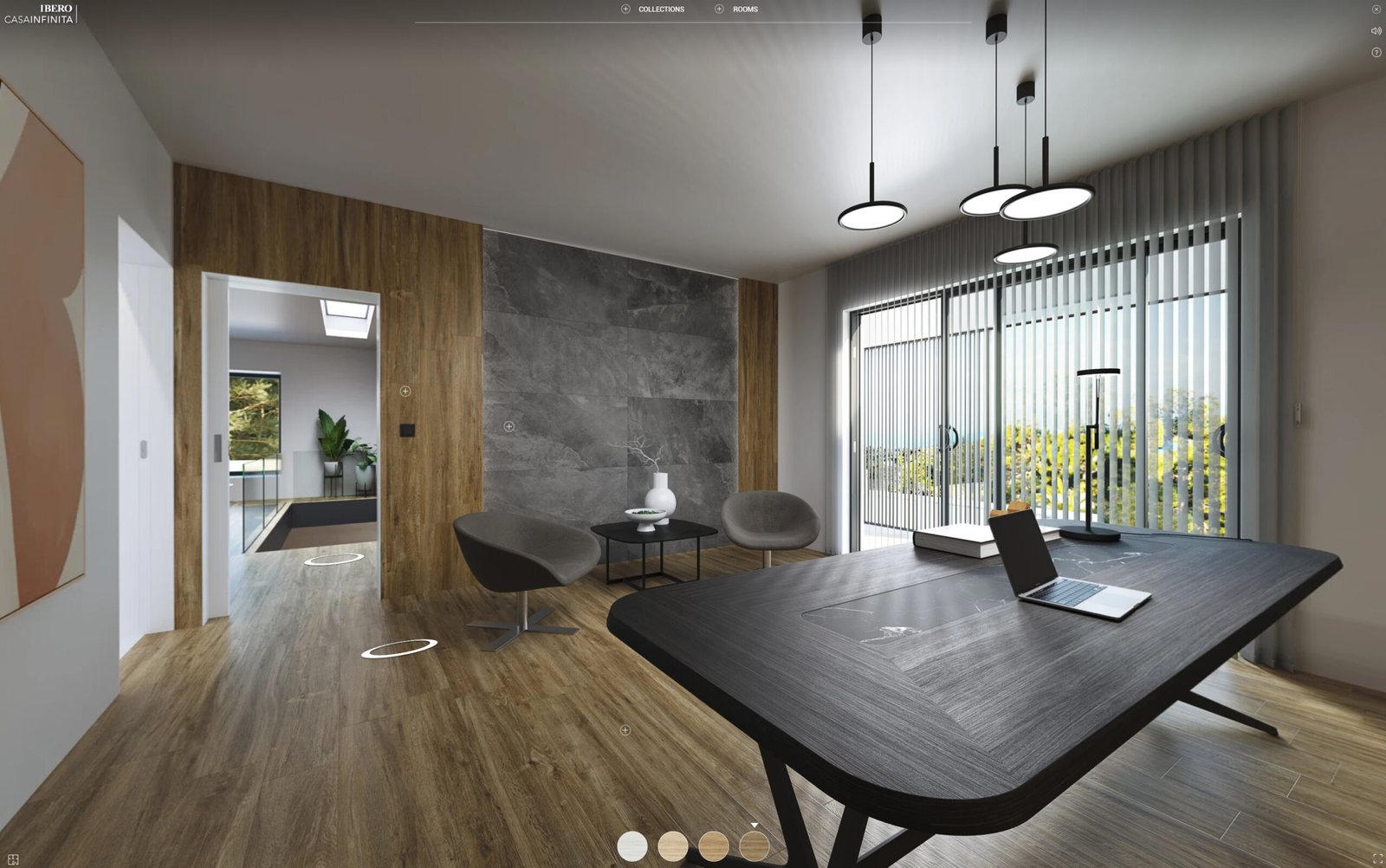
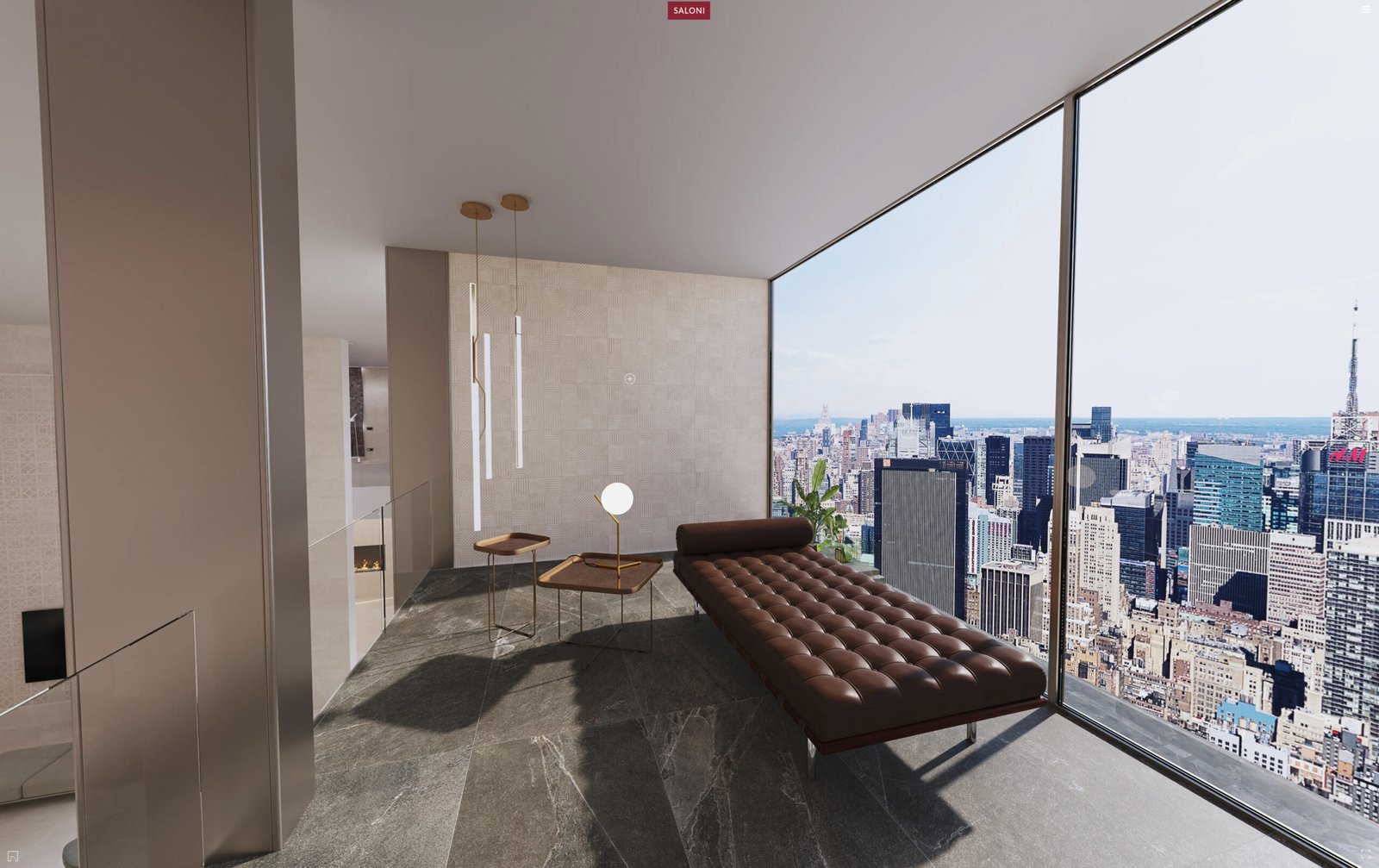
Information hotspots, configurable materials, lighting variations or animated elements can significantly enrich a 3D virtual tour. However, adding interactive features without strategic justification can lead to visual overload.
Each interactive component should serve a clear communicative function. It should clarify, enhance or support decision-making.
Strategic planning ensures that interactivity strengthens the experience rather than distracting from it.
The objective is balance — impact without confusion.
Understanding the Target Audience
A virtual tour developed for international investors differs from one created for technical professionals or retail clients.
Audience profile influences visual language, depth of information and interface structure.
Planning must also consider how the tour will be used. Will it be embedded in a corporate website? Presented during digital trade fairs? Used as a private sales tool?
These contextual decisions shape both technical execution and final integration.
A strategically planned tour adapts to its communication environment.
Visual Coherence and Brand Positioning
A 3D virtual tour communicates more than architecture. It communicates brand identity.
Lighting atmosphere, material quality and spatial composition directly influence how the project is perceived. A premium development requires a visual experience consistent with its positioning. A technical showroom requires clarity and precision.
Aesthetic decisions are not decorative. They are strategic.
Planning ensures that visual tone aligns with commercial objectives and brand values.
Budget Alignment and Realistic Scope
Strategic planning also protects project viability.
Clearly defining scope and objectives at the outset prevents unnecessary revisions and structural changes during production. It establishes realistic expectations in terms of time, investment and outcome.
When objectives are defined early, production becomes efficient and focused.
Planning is not an administrative step. It is a safeguard for quality and coherence.
The Difference Between Producing and Designing Strategically
Many providers can generate 360° panoramas. Fewer design immersive experiences strategically.
A professionally developed 3D virtual tour does not emerge from improvisation. It results from thoughtful analysis of goals, audience and communication context.
At Mimetry, we treat every virtual tour as a strategic communication asset. The objective is not only to create immersion, but to design a tool aligned with the client’s commercial and positioning strategy.
Technology is the medium. Strategy defines its value.
FAQ – Planning a 3D Virtual Tour
Is detailed planning really necessary before producing a virtual tour?
Yes. Strategic planning ensures that the tour fulfills its commercial or communicative objective. Without a defined structure and purpose, the result may look visually appealing but lack real effectiveness.
What happens if the tour’s objective is not clearly defined?
When the purpose is unclear, decisions become inconsistent. The navigation, level of detail and interactivity may not align with the target audience. A well-defined objective guides production and ensures coherence.
Does planning influence the final budget?
Absolutely. Clear scope definition reduces unnecessary revisions and structural adjustments. Planning protects both timeline and investment while maintaining quality standards.
When should interactive features be defined?
Interactive elements should be considered from the beginning. Adding them later can compromise coherence and increase complexity. Early planning ensures they integrate naturally into the experience.
Can a virtual tour be adapted after publication?
In some cases, updates are possible. However, if the strategic foundation was weak from the start, modifications may be limited or costly. Strong initial planning ensures long-term flexibility.